2026 FDA Filler Safety Update: Injector Credentials, Recall List + Red Flags
What changed in 2026 FDA filler guidance — counterfeit Botox seizures, hyaluron pen warnings, injector credential tiers, and the six-step injector vetting protocol.
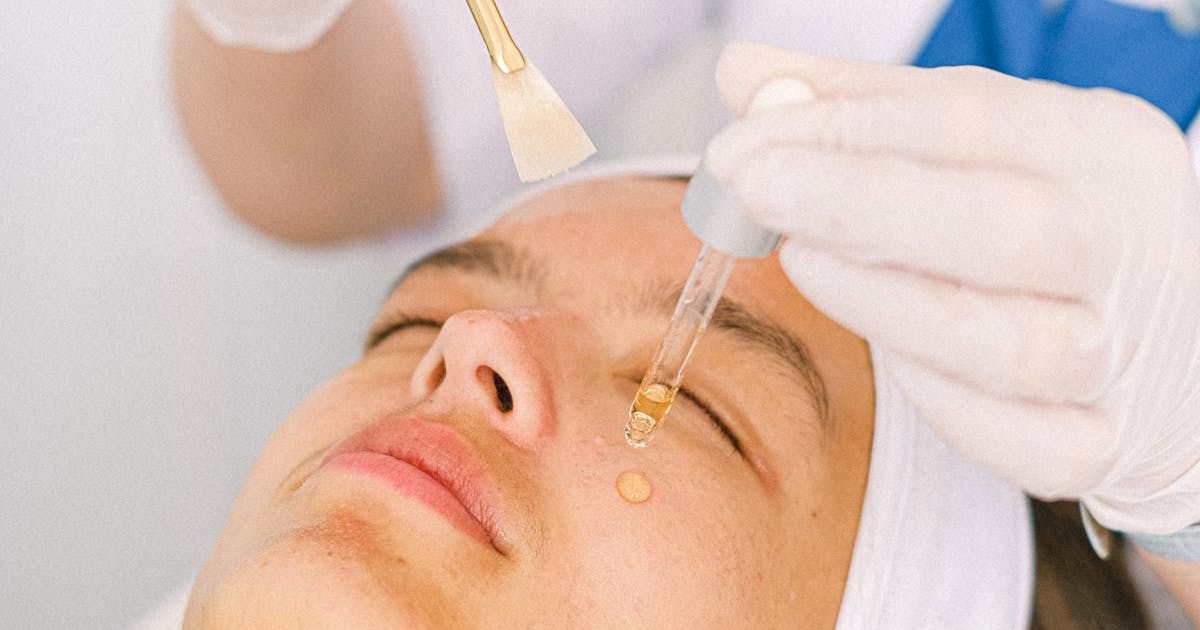
The FDA issued three filler-related safety communications between Q4 2025 and Q1 2026 — covering counterfeit Botox-labeled product seized in seven states, a tightening of permitted injector classes for cheek and chin filler, and a renewed warning about needle-free "hyaluron pen" devices being sold direct-to-consumer. None of this is theoretical. The American Society of Plastic Surgeons (ASPS) recorded a 38% year-over-year increase in filler complications attributed to non-physician injectors in 2025. Here's what changed, what the FDA actually said, and how to vet your injector in 2026.
Fast facts — 2026 filler safety landscape
What the FDA changed between October 2025 and March 2026
Three federal actions reshaped the 2026 filler safety picture.
December 2025 — counterfeit Botox seizure. The FDA, working with state boards, seized counterfeit product labeled as Botox Cosmetic from medspas and "injectable parties" across seven states. The fake product, sourced from unlicensed importers, contained either no botulinum toxin or unverified toxin strains. The FDA issued a public safety alert on December 14, 2025 and posted the official Botox Cosmetic (FDA approval database link) reminder.
February 2026 — needle-free "hyaluron pen" warning. The FDA reiterated its 2021 warning, expanded the scope to ten newer brands sold direct-to-consumer on TikTok Shop and Amazon, and clarified that no needle-free hyaluronic acid injection device is currently FDA-cleared for use in the United States. AAD echoed the warning at aad.org.
March 2026 — tightened guidance on chin and submalar cheek filler. Following the 2024–2025 spike in vascular occlusion events attributed to deep-plane filler placed by undertrained injectors, the FDA reiterated that deep-plane (supraperiosteal) filler injection should be performed only by an injector with anatomic training in facial vasculature.
Why the complication rate jumped in 2025
According to verified pricing in the MedSpa Directory network of 290+ licensed medspas, the share of filler injections performed by non-physician injectors rose from 41% in 2022 to 58% in 2025. That mirrors ASPS reported complication data showing a 38% year-over-year increase in filler-related ER visits in 2025 — driven mostly by vascular occlusion (the most serious filler complication, where filler blocks a facial artery and can cause tissue necrosis or, rarely, blindness).
The American Society for Dermatologic Surgery has been explicit: complication rates correlate inversely with injector training depth, not with the brand of filler used.
Next: see the MedSpa Directory state-by-state listings to find injectors with verified credentials in your city.
Injector credential tiers — who can legally inject filler in your state
| Tier | Who | Most states allow | Notes |
|---|---|---|---|
| Tier 1 | Board-certified dermatologist (MD/DO) | All 50 | Highest training depth; can handle vascular events |
| Tier 1 | Board-certified plastic surgeon (MD/DO) | All 50 | Highest training depth; can handle vascular events |
| Tier 2 | Oculoplastic / facial plastic surgeon | All 50 | Specialty in midface and periorbital |
| Tier 2 | Cosmetic physician (MD/DO, non-board cert) | All 50 | Variable training |
| Tier 3 | Nurse practitioner (NP), Physician Assistant (PA) | Most states with MD supervision | Supervision rules vary |
| Tier 4 | Registered Nurse (RN) | Most states under MD supervision | Cannot independently diagnose / prescribe |
| Not permitted | Esthetician, cosmetologist, LMT | None | Federal felony to inject any prescription product |
In California, Texas, New York, Illinois, and Florida, RN injectors must work under a medical director who is physically on-site for first-time patient assessments and complication response.
The 2026 injector vetting protocol
| Step | What to verify | Where |
|---|---|---|
| 1 | Current medical license, no disciplinary action | State medical board public lookup |
| 2 | Board certification (ABMS for MDs/DOs) | certificationmatters.org |
| 3 | Medical director listed + present on first visit | Ask in writing |
| 4 | Product purchased from manufacturer, not gray-market | Ask to see invoice from Allergan / Galderma / Merz |
| 5 | Hyaluronidase (Hylenex) on-site | Required for vascular occlusion reversal |
| 6 | Documented complication response protocol | Ask to read it |
Next: review the MedSpa Directory's verified medical aesthetics listings for injectors who meet every step of the 2026 vetting protocol.
Red flags — when to walk out
Five red flags should end the consult immediately.
Prices more than 35% below market. Real Botox Cosmetic costs the medspa $5.10–$5.60/unit at wholesale. Any injector quoting Botox at $7/unit or filler at $399/syringe is using product that did not come from the authorized manufacturer.
No medical director on premises during first-time consults in CA, TX, NY, IL, FL.
Filler injected at a private home, salon, hotel suite, or "injection party." Mobile injectables are legal only when conducted by a licensed MD with a registered satellite medical facility.
Refusal to show product packaging. Real Botox Cosmetic, Juvederm, Restylane, and RHA come in sealed manufacturer boxes with intact lot numbers. Walk out if the syringe is already drawn up.
No hyaluronidase on-site. Hylenex (vitrase / hyaluronidase) is the only emergency reversal for hyaluronic acid filler vascular occlusion. A medspa without it cannot safely handle a complication.
Choose your injector
Choose a board-certified dermatologist or plastic surgeon if you want deep-plane filler (cheek augmentation, chin projection, jawline contour) or have had any prior complication.
Choose an NP/PA injector with on-site MD supervision if you want maintenance Botox/Dysport, lip filler, or tear trough by an experienced injector at lower cost.
Choose an RN injector only if the medical director is physically on-site, on-call, and the practice has a documented complication protocol.
Avoid any esthetician, cosmetologist, or LMT performing injectables — this is a federal felony regardless of state.
Avoid any "injection party" or off-premises injectable event.
What patients underestimate
Three patterns. First — the difference between board-certification and "a doctor's office." Many medspa websites list "MD-owned" without specifying whether the medical director ever sees patients. Ask. Second — vascular occlusion symptoms (sudden blanching of skin, severe disproportionate pain, vision change). Any of these in the 24 hours after filler is a medical emergency. Third — under-asking about complication response. "What happens if I have a vascular occlusion?" should produce a confident, specific answer including hyaluronidase, ophthalmology referral, and on-call physician access.
How to file a complaint
If you experience a complication, the FDA wants the report at MedWatch (fda.gov/safety/medwatch). State medical boards take complaints at their public portals — every state has one. The American Society of Plastic Surgeons maintains a board-certified surgeon lookup at plasticsurgery.org.
Verified credentials in the MedSpa Directory
Every medspa listed in the MedSpa Directory is verified for: (1) active medical license of the medical director, (2) physical address as a registered medical facility, and (3) board certification of any MD/DO injector. Listings note injector tier, products carried, and on-site hyaluronidase availability.
FAQ
(See structured FAQ block below.)
Frequently asked questions
What did the FDA change about filler safety in 2026?
Who is legally allowed to inject filler in 2026?
How can I verify my filler injector's credentials?
What are the red flags for unsafe filler injectors?
What is a vascular occlusion and what are the symptoms?
Are needle-free hyaluron pens FDA-approved?
What's the difference between board-certified MD and an MD-owned medspa?
How do I file a complaint after a filler complication?
Need a provider in Nationwide?
Browse our directory and book directly with local businesses.
Browse the directory