GLP-1 Patient Guide: Combining Tirzepatide With Botox, Microneedling, and Skin Rejuvenation
61 percent of new GLP-1 patients are entirely new to medical aesthetics — and 13 percent return within 12 months for Botox, RF microneedling, or skin treatments. Here is the patient's guide to combining GLP-1 weight loss with aesthetic care safely in 2026.
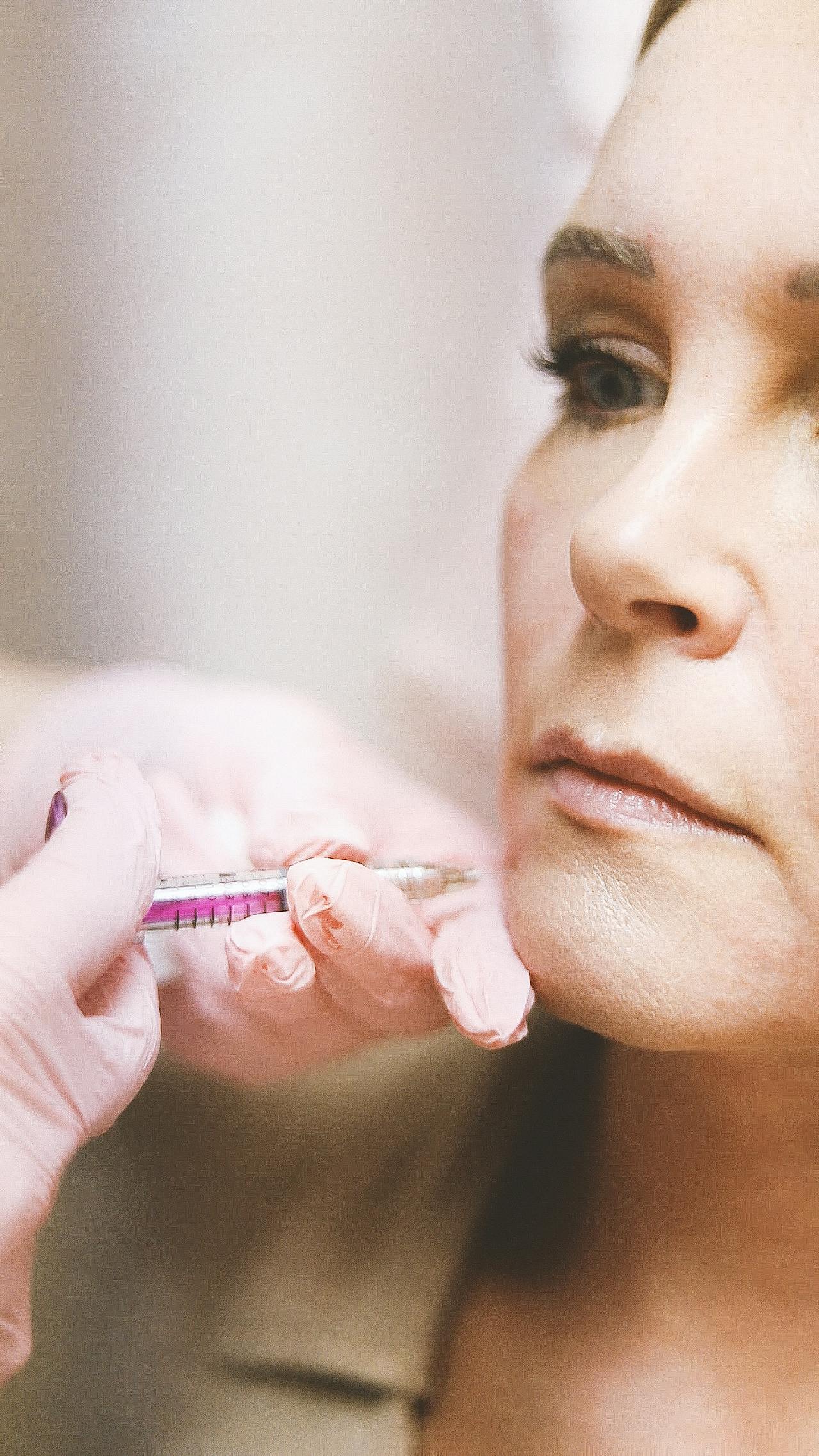
The most consequential shift in US medical spas in 2026 is not a new laser, a new filler, or a new peel — it is the GLP-1 patient. An estimated 12 percent of Americans have now used a GLP-1 medication like semaglutide or tirzepatide, with the majority being women aged 50 to 64. Medical aesthetics practices are now leading the dispensing channel, with more than half of US medspas offering GLP-1 medications, and 61 percent of patients initiating GLP-1 treatment at aesthetic practices are entirely new to those practices. The pull-through is significant: 13 percent of new GLP-1 patients return within 12 months for an injectable like Botox, an energy-based device like RF microneedling, skin rejuvenation, or professional skin care. Across Zoca's MedSpa Directory network of 1,300+ providers in 75 US cities, this is the patient population reshaping the 2026 service menu. Here is the candid, patient-side guide to combining GLP-1 with aesthetic care.
Why GLP-1 and Medspas Are Converging
Three forces drove medspas to the center of the GLP-1 conversation. First, supply: when Wegovy and Mounjaro had supply constraints in 2023 and 2024, compounding pharmacies and aesthetic practices became the most accessible source for many patients. Second, customer base: medspas already serve a population that values controlled, supervised, expert-delivered medical interventions. Third, economics: compounded semaglutide averages $350 monthly and tirzepatide averages $485 monthly in 2026, making GLP-1 a meaningful contribution to medspa revenue mix. The result is that the medical aesthetics industry now functions as one of the major delivery channels for weight-loss medication in the United States.
What Changes for Your Skin on GLP-1?
Patients losing 15 to 30 percent of body weight over 6 to 18 months on GLP-1 medications report several skin-related changes that aesthetic providers see at consultation. The most common is "GLP-1 face" — a hollowed, slightly older-looking face appearance caused by rapid loss of facial fat pads, particularly in the cheek, temple, and jaw areas. The second is mild laxity in the lower face and jaw line. The third is dullness and dehydration that some patients attribute to overall reduced caloric intake. The fourth is, paradoxically, sometimes improved skin clarity from reduced inflammation associated with weight loss. About 41 percent of GLP-1 patients in the MedSpa Directory network book aesthetic services within 12 months specifically to address one or more of these changes.
The Best Aesthetic Treatments for GLP-1 Patients
Five treatments dominate the GLP-1 patient menu in 2026, each addressing a specific concern.
Volume Restoration: Filler ($600 to $2,400)
Hyaluronic acid filler in the cheek, temple, and chin is the single most-booked first aesthetic service for GLP-1 patients. Approximately 9.5 million dermal filler treatments were performed in the US in 2023, and that number has grown rapidly. A typical volume-restoration plan uses 2 to 4 syringes of HA filler placed across the cheekbones, mid-face, and temples to restore the facial structure rapid weight loss diminished. Cost runs $600 to $1,200 per syringe at quality medspas, with the full plan typically $1,800 to $4,800. Results last 9 to 18 months for most products.
Skin Tightening: RF Microneedling ($800 to $2,500 per session)
Radiofrequency microneedling — Morpheus8, Vivace, Genius RF, Profound — addresses the laxity that follows significant weight loss. A typical series is 3 sessions spaced 4 to 6 weeks apart, with results visible at 6 weeks and peak collagen remodeling at 6 months. RF microneedling is one of the most-booked services among GLP-1 patients aged 45 and up because it delivers visible improvement without surgery. Cost runs $2,400 to $7,500 for a 3-treatment series in major US metros.
Neuromodulators: Botox, Dysport, Daxxify ($350 to $900 per area)
Approximately 9.5 million neuromodulator injections were performed in the US in 2023. For GLP-1 patients, Botox, Dysport, or Daxxify in the forehead, glabella, and crow's feet smooths dynamic lines that become more visible against a more hollowed face. Results last 3 to 4 months for Botox and Dysport, and 4 to 6 months for Daxxify. Most GLP-1 patients book quarterly maintenance once they start.
Skin Rejuvenation: Microneedling, BBL/IPL, Chemical Peels ($400 to $1,500)
For dullness, hydration, and pigmentation concerns, GLP-1 patients book microneedling with PRF, broadband light therapy (BBL or IPL), and medium-depth chemical peels. These services run $400 to $1,500 per session and are typically built into a 6-month maintenance plan with one treatment every 4 to 8 weeks.
Body Contouring: Coolsculpting, Emsculpt ($1,500 to $5,000)
For pockets of remaining fat that GLP-1 weight loss did not address — bra rolls, lower abdomen, inner thighs — non-surgical body contouring like Coolsculpting Elite or fat-targeted RF/ultrasound services help. Series of 2 to 4 sessions deliver visible improvement at 8 to 12 weeks. Cost runs $1,500 to $5,000 per area for a complete series.
GLP-1 Patient Combo Pricing — 2026
| Service | Avg US 2026 cost | Sessions | Best for |
|---|---|---|---|
| HA filler (cheek/temple/chin) | $1,800 to $4,800 | 1 to 2 visits | Volume loss restoration |
| RF microneedling series | $2,400 to $7,500 | 3 sessions | Mild to moderate laxity |
| Botox/Dysport/Daxxify (forehead, glabella) | $350 to $900 | Quarterly | Dynamic lines |
| Microneedling + PRF series | $1,200 to $3,000 | 3 sessions | Texture, brightness |
| BBL/IPL series | $1,500 to $4,500 | 3 to 5 sessions | Pigmentation, redness |
| Coolsculpting (one area) | $1,500 to $4,000 | 2 to 4 sessions | Stubborn fat pockets |
Safety Considerations on GLP-1
GLP-1 medications cause two clinical changes that affect aesthetic procedure timing. First, slowed gastric emptying increases the risk of nausea and aspiration during sedation, which is why many medspa providers recommend pausing GLP-1 for 7 days before any procedure requiring sedation. Most aesthetic services do not require sedation and are safe to continue without interruption. Second, the dehydration and reduced caloric intake some patients experience can affect skin healing — quality providers ask GLP-1 patients about hydration and recent oral intake at intake and adjust protocols accordingly.
Timing: When to Start Aesthetic Services on GLP-1
Most experienced medspa providers recommend two timing rules. First, wait until weight loss has stabilized for at least 4 to 8 weeks before booking volume restoration with filler. Adding filler in the middle of active weight loss often results in over-correction once weight stabilizes. Second, skin tightening (RF microneedling, ultrasound) can be started during weight loss because the collagen remodeling takes 4 to 6 months and aligns well with the typical GLP-1 weight-loss curve. Botox and skin rejuvenation services can be done at any time without timing concerns.
Cost: Realistic 12-Month Budget
A typical GLP-1 patient's 12-month aesthetic budget in 2026 looks like this. Volume restoration with 3 syringes of HA filler: $2,700 to $3,600. RF microneedling series of 3: $4,000 to $6,000. Quarterly Botox in forehead, glabella, and crow's feet: $1,500 to $2,400 annually. Microneedling with PRF series of 3: $1,500 to $2,500. Chemical peel or HydraFacial monthly maintenance: $1,800 to $3,000 annually. Total: approximately $11,500 to $17,500 in the first 12 months for a comprehensive aesthetic plan paired with GLP-1 weight loss. Many medspas offer membership pricing at 15 to 25 percent below stand-alone service rates for clients committing to a 12-month plan.
How to Choose a Medspa for GLP-1 + Aesthetic Care
Three credentials matter most. First, physician supervision — a board-certified physician (dermatologist, plastic surgeon, or family medicine MD with aesthetic training) should be on-site or available for medical decisions. Second, RN or NP injectors with at least 3 years of aesthetic injection experience for filler and Botox. Third, a clear written protocol for GLP-1 patients that includes weight stabilization timing for filler, hydration assessment at intake, and pause protocols for any procedure requiring sedation. The MedSpa Directory network requires verification of physician medical director and current state licensure for all listed providers.
Red Flags to Avoid
Watch for medspas that prescribe GLP-1 without baseline labs, blood pressure, and a thorough medical history. Avoid medspas that promise specific weight-loss outcomes ("Lose 30 pounds in 90 days guaranteed") — outcomes vary significantly and ethical providers do not guarantee them. Skip practices that bundle GLP-1 with aesthetic packages in ways that pressure you to buy more than you need. The best GLP-1 medspas in 2026 treat weight loss as a medical service with clinical oversight and treat aesthetic services as a separate, optional add-on the patient elects after weight loss stabilizes.
Bottom Line
The combination of GLP-1 weight loss and aesthetic services has become one of the defining patient profiles in US medspas in 2026, and the integration is real: 13 percent of new GLP-1 patients return within 12 months for aesthetic services, and that conversion rate is steadily climbing. The smart sequencing is GLP-1 first to stable weight, then volume restoration and skin tightening to address the changes weight loss produced, then ongoing maintenance through Botox and skin rejuvenation. Budget $10,000 to $18,000 in the first 12 months for a comprehensive plan, choose a physician-supervised medspa with explicit GLP-1 patient protocols, and treat the work as a 12 to 18 month process rather than a single transformation.
Discover More Top-Rated Services
Complement your medical spa treatments experience with these related services:
Frequently asked questions
Can I get Botox or filler while I am on GLP-1 medications?
Should I wait to get filler until I am done losing weight?
What is GLP-1 face and how is it treated?
How much does a GLP-1 patient typically spend on aesthetics in the first year?
Are medspas allowed to prescribe tirzepatide?
How often should I get RF microneedling for skin tightening on GLP-1?
What is the difference between Botox, Dysport, and Daxxify?
Can I do Coolsculpting after GLP-1 weight loss?
What questions should I ask my medspa before starting GLP-1?
How long does HA filler last after rapid weight loss?
Are there any aesthetic services I should avoid while on GLP-1?
How do I find a good GLP-1 + aesthetic medspa?
Need a provider in Nationwide?
Browse our directory and book directly with local businesses.
Browse the directoryRelated articles
Best Medical Aesthetics in Arizona — 2026 Guide
Everything you need to know about medical aesthetics in Arizona — from choosing the right service to finding providers locals actually recommend. Pricing, FAQs, and booking links included.
Best Medical Aesthetics in Atlanta, GA — 2026 Guide
Everything you need to know about medical aesthetics in Atlanta, GA — from choosing the right service to finding providers locals actually recommend. Pricing, FAQs, and booking links included.
Best Medical Aesthetics in Baltimore, MD — 2026 Guide
Everything you need to know about medical aesthetics in Baltimore, MD — from choosing the right service to finding providers locals actually recommend. Pricing, FAQs, and booking links included.