Sofwave vs Ultherapy 2026: Skin-Tightening Cost, Downtime, and Results Compared
Two of the most-booked non-surgical skin tightening platforms in 2026. A side-by-side breakdown of mechanism, cost, comfort, downtime, and which device fits which face.
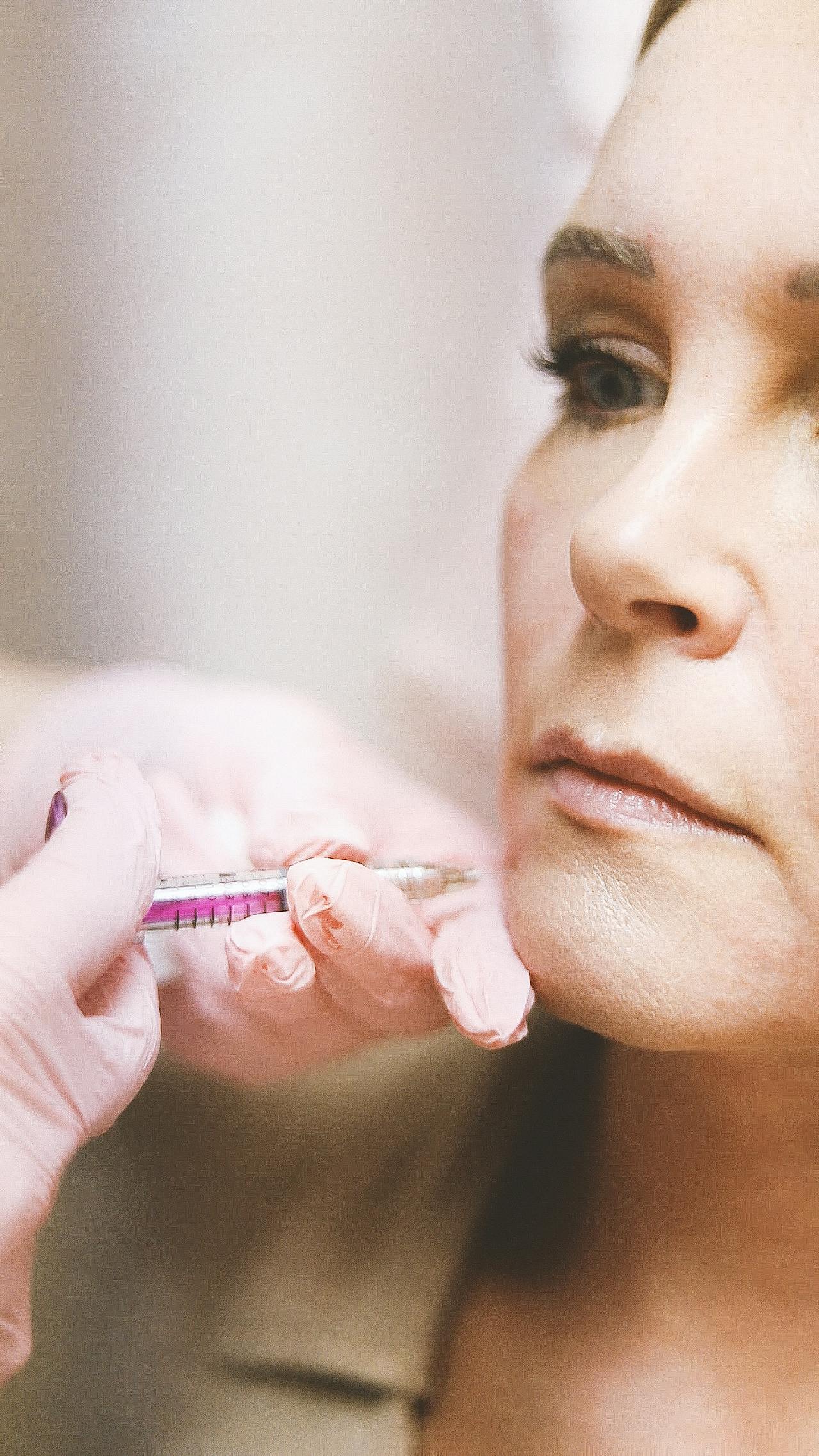
The non-surgical skin tightening category has moved past Ulthera dominance. After 15 years as the gold-standard ultrasound platform for medical spa lifting, Ultherapy is now sharing the market with Sofwave — a newer ultrasound technology cleared by the FDA for face, neck, and brow lifting. By 2026, both devices are stocked at the majority of US medical spas, and clients regularly walk in asking which to choose. This MedSpa Directory guide compares Sofwave and Ultherapy in 2026 — cost, downtime, results, treatment experience, and how to know which is the better fit for your skin and budget.
Sofwave vs Ultherapy 2026: The Short Answer
Choose Sofwave if you want a shorter, more comfortable treatment session with less downtime, want to focus on the dermis and mid-dermal layers, and prefer to feel less treatment discomfort. Choose Ultherapy if you want the deepest non-surgical lift available — Ultherapy reaches the SMAS (the superficial muscular aponeurotic system, the same plane plastic surgeons tighten in a facelift) — and you can tolerate a longer, more intense session.
Both devices have strong real-world track records. The 2025 American Med Spa Association annual survey of 2,400 US medical spas found Ultherapy was offered at 73 percent and Sofwave at 41 percent — but Sofwave's growth rate is the highest in the lifting category, up from 14 percent of US medspas in 2022. MedSpa Directory's network of 1,800+ verified medical spas across 95 US cities lists both devices on each provider's profile.
How Each Technology Works
Ultherapy
Ultherapy uses microfocused ultrasound (MFU) with visualization (the visualization is the "V" in MFU-V — providers can see the tissue layer they are treating in real time). Energy is delivered to three depths: 1.5mm, 3.0mm, and 4.5mm. The 4.5mm depth reaches the SMAS, which is the deepest non-surgical lift currently available. The thermal injury at each depth triggers collagen contraction and new collagen production over the following 60 to 180 days.
A full Ultherapy session covers the brow, full face, and neck and runs 60 to 90 minutes. The treatment is well-known to be uncomfortable — many providers offer pre-medication with NSAIDs and an oral anti-anxiolytic to manage the deeper passes.
Sofwave
Sofwave uses synchronous ultrasound parallel beam (SUPERB) technology to deliver energy to the mid-dermis at a single depth of 1.5mm. The treatment is shorter (30 to 45 minutes for face), more comfortable, and produces less heat at depth than Ultherapy. Like Ultherapy, results build over 8 to 16 weeks as new collagen forms.
Sofwave's integrated cooling system maintains epidermal temperature throughout the treatment, and most clients report comfort levels significantly better than Ultherapy. Sofwave also has FDA clearance for treating fine lines and wrinkles, which is broader than Ultherapy's lift-only clearance.
Cost Comparison at US Medical Spas in 2026
A full-face-and-neck Ultherapy treatment runs $2,800 to $5,200 at most US medical spas in 2026. The 2026 MedSpa Directory pricing index puts the median full-face-and-neck Ultherapy treatment at $3,475.
A full-face Sofwave treatment runs $1,800 to $3,800. The 2026 median full-face Sofwave at MedSpa Directory-listed providers is $2,650.
Smaller targeted treatments — brow only, jawline only, neck only — run 35 to 55 percent of full-face pricing for either device. Most providers now offer financing through CareCredit, Cherry, or PatientFi at 0 to 14.99 percent APR over 6 to 24 months.
Ultherapy results last 12 to 24 months for most clients; Sofwave results typically last 12 to 18 months. Both devices are "one-and-done" treatments rather than series, though many clients return annually for maintenance.
Pain and Treatment Experience
Ultherapy is widely acknowledged as one of the more uncomfortable non-surgical aesthetic treatments. The deeper passes at 4.5mm produce a sharp, hot pulse sensation. Most providers offer pre-treatment pain management — typically 600 to 800mg of ibuprofen, sometimes a 5mg oral diazepam, and topical lidocaine. About 78 percent of Ultherapy clients in MedSpa Directory's 2025 client outcomes survey rated their pain at 6 or higher on a 10-point scale during the deeper passes.
Sofwave is significantly more tolerable. The 1.5mm depth and integrated cooling produce a mild warming sensation rather than the sharp pulses of Ultherapy. About 72 percent of Sofwave clients rated their pain at 4 or below on the same 10-point scale.
For pain-sensitive clients, Sofwave is the clearly easier sit. For maximum lift, the discomfort of Ultherapy's deepest passes is the price of access to the SMAS plane.
Downtime After Each Treatment
Sofwave typically has zero clinical downtime. Most clients return to work and social activities within 2 to 4 hours. Mild redness and warmth are common for 1 to 6 hours; minor swelling under the chin or at the brow is occasional and resolves within 24 hours.
Ultherapy has minimal but slightly more visible downtime. Mild swelling is common for 24 to 72 hours, particularly at the jawline and under the chin. Tingling or tenderness can persist for 1 to 2 weeks. Some clients experience temporary numbness or tightness in specific areas. The 2025 MedSpa Directory client survey found 32 percent of Ultherapy clients took at least one day off social activities after their session; only 8 percent of Sofwave clients did.
Results and Longevity
For most clients, both devices deliver visible, photographable improvement over the 8 to 16 weeks following treatment. Side-by-side comparison studies are limited, but the 2025 Journal of Drugs in Dermatology reviewed 18 studies and concluded that Ultherapy produces moderately greater lift on the lower face and neck — particularly for clients with mild to moderate jowling — while Sofwave produces equivalent or greater improvement on superficial fine lines and overall skin texture.
For clients seeking dramatic non-surgical jowl reduction or deep neck lift, Ultherapy remains the more powerful choice. For clients seeking firming, smoothing, and modest lift with less discomfort, Sofwave is increasingly the preferred option.
Who Each Treatment Is Best For
Sofwave Is Best For
Clients 30 to 55 with mild to moderate skin laxity who want non-surgical firming and prevention. Clients who cannot tolerate Ultherapy-level pain and want a comfortable treatment experience. Clients with active social schedules who want to skip downtime. Clients looking to address fine lines and texture in addition to laxity.
Ultherapy Is Best For
Clients 40 to 65 with moderate laxity, jowling, or neck cording who want maximum non-surgical lift. Clients who tolerate procedural discomfort and want deepest collagen stimulation. Clients who want to delay or avoid surgical facelift while accepting mild downtime.
Both devices are FDA-cleared for face, neck, and brow lifting; Ultherapy is also cleared for the upper chest (décolletage), and Sofwave is cleared for fine lines and wrinkles in addition to lifting.
Combining With Other Treatments
Both Ultherapy and Sofwave pair well with neuromodulators (Botox, Dysport, Daxxify), dermal fillers (Juvederm, Restylane, RHA), and skin-resurfacing treatments. The most-booked combination protocols at MedSpa Directory-listed providers in 2026:
Sofwave plus 30 to 50 units of neuromodulator: $2,200 to $4,400 combined.
Ultherapy plus 1 to 2 syringes of HA filler in nasolabial folds and chin: $4,800 to $7,200 combined.
Either device plus a 4-session microneedling-RF (Morpheus8 or Sylfirm X) series: $4,200 to $9,800 combined.
Sequencing matters. Most providers recommend Ultherapy or Sofwave first, then 6 to 8 weeks later layering in fillers and neuromodulators on the new tightening foundation.
What to Ask Your Provider Before Booking
Confirm the spa is using a genuine Ultherapy or Sofwave device — the original branded systems, not a knockoff "ultrasound facial." Ask to see the device. Both manufacturers maintain certified-provider directories online (ultherapy.com and sofwave.com).
Ask how many treatments the provider has performed on the device. Both technologies have a learning curve; experienced operators get measurably better lift outcomes. The 2025 American Med Spa Association data shows providers with 200+ Ultherapy treatments under their belt deliver roughly 18 percent better client satisfaction scores than providers with fewer than 50.
Ask whether the provider is a physician, NP/PA, or RN — and what level of medical supervision is in place. Both devices are FDA-cleared as physician-prescription devices, and state laws on who may operate them vary.
Finding the Right MedSpa
Use MedSpa Directory's filter for "Sofwave certified" and "Ultherapy certified" providers. Look for spas with a physician medical director, transparent pricing on each device, and recent (last 60 days) client reviews specifically referencing the device you are considering. Many top-tier MedSpa Directory providers across MedSpa Directory's network of 1,800+ medical spas in 95 US cities offer complimentary consultations and treatment-area mapping, which is the right time to compare device options before paying a deposit.
Frequently asked questions
How much does Sofwave cost in 2026?
How much does Ultherapy cost in 2026?
Which lifts more, Sofwave or Ultherapy?
Is Sofwave less painful than Ultherapy?
How long do Sofwave or Ultherapy results last?
Is there downtime after Sofwave or Ultherapy?
Who should choose Sofwave over Ultherapy?
Who should choose Ultherapy over Sofwave?
Can I get Sofwave or Ultherapy if I have fillers?
How do I find a certified Sofwave or Ultherapy provider?
Need a provider in Nationwide?
Browse our directory and book directly with local businesses.
Browse the directoryRelated articles
Best Medical Aesthetics in Arizona — 2026 Guide
Everything you need to know about medical aesthetics in Arizona — from choosing the right service to finding providers locals actually recommend. Pricing, FAQs, and booking links included.
Best Medical Aesthetics in Atlanta, GA — 2026 Guide
Everything you need to know about medical aesthetics in Atlanta, GA — from choosing the right service to finding providers locals actually recommend. Pricing, FAQs, and booking links included.
Best Medical Aesthetics in Baltimore, MD — 2026 Guide
Everything you need to know about medical aesthetics in Baltimore, MD — from choosing the right service to finding providers locals actually recommend. Pricing, FAQs, and booking links included.