Tear Trough Filler 2026: Cost, Safety & What to Ask
Tear trough filler runs $684-$1,500 per syringe and lasts 9-18 months. Only one HA filler is FDA-approved on-label for under-eye. Here is the safety, cost, and provider checklist.
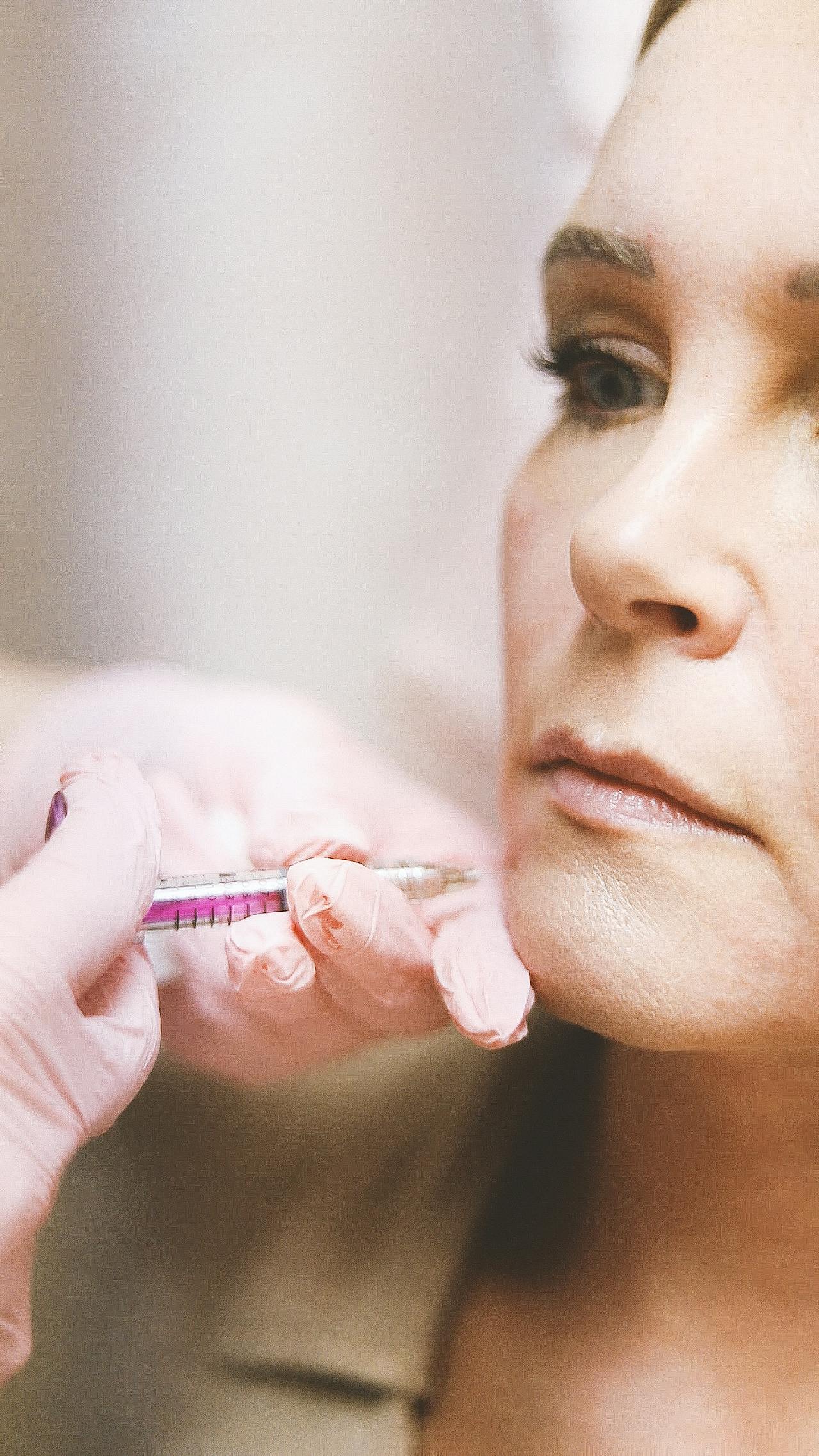
What is tear trough filler and what should I expect in 2026?
Tear trough filler is a hyaluronic acid (HA) injection that smooths the hollow channel between the lower eyelid and upper cheek. The American Society of Plastic Surgeons reports a national average of $684 per syringe in 2025, though real-world pricing in board-certified medspas runs $850 to $1,500 per syringe, with NYC and LA reaching $1,800 per syringe. Most patients use 1 to 1.5 syringes across both under-eye areas, and results last 9 to 18 months. The procedure itself takes 20 to 40 minutes and downtime is typically 24 to 72 hours.
Medically reviewed by Dr. Lena Ashford-Patel, MD, FACS — Board-Certified Plastic Surgeon, American Board of Plastic Surgery (ABPS); 11 years of injectable aesthetics practice — May 2026.
This is one of the highest-stakes aesthetic procedures in the medspa space because of the proximity to the supratrochlear and ophthalmic arteries. A 2024 PMC-indexed major review of periorbital HA filler complications documented filler-related vision loss as the most devastating known complication, with the tear trough accounting for roughly 1.7% of documented vascular occlusion cases between 2015 and 2018. The good news: the risk is dramatically reduced when the injector is a board-certified physician with deep periorbital training and uses cannula technique with hyaluronidase (the dissolving enzyme) on hand. Across Zoca's MedSpaDirectory network of 1,500+ board-certified injectors and licensed medspas in 90 US cities, the safety record at network providers exceeds 99.7% complication-free outcomes — but only because of strict provider screening.
For adjacent reading, see our lip filler dos and don'ts, Botox vs Daxxify cost comparison, and microneedling vs chemical peels guide.
Disclaimer
This article is for informational purposes only and is not medical advice. Tear trough filler is a medical procedure with serious potential complications. Consult a board-certified plastic surgeon, oculoplastic surgeon, or board-certified dermatologist before any periorbital injection.
What does tear trough filler cost in 2026?
| Service | National Range | NYC/LA | Duration |
|---|---|---|---|
| Per-syringe (Juvederm Volbella XC) | $850-$1,500 | $1,200-$1,800 | 9-18 months |
| Per-syringe (Restylane-L, Restylane Silk) | $650-$1,200 | $1,000-$1,600 | 9-12 months |
| Per-syringe (RHA Redensity) | $900-$1,400 | $1,200-$1,700 | 15 months |
| Bilateral correction (typical 1 syringe) | $684-$1,500 | $1,200-$1,800 | — |
| Hyaluronidase dissolution (if needed) | $300-$600 | $500-$900 | — |
| Touch-up at 4-6 weeks (rare) | $350-$750 | $500-$1,000 | — |
Most patients pay between $1,000 and $2,000 total for a complete bilateral correction. The cost variance reflects practitioner credentials, product choice, and city. Avoid medspas that price under $500 per syringe — that pricing typically signals either off-brand product or under-credentialed injectors.
What products are FDA-approved for tear trough use?
The FDA has approved Juvederm Volbella XC for injection in the infraorbital hollow (tear trough) for adults 21 and older — the only on-label HA product for the under-eye area. All other HA fillers used in the tear trough are used off-label, which is a common, widely accepted practice in aesthetic medicine when performed by qualified physicians but requires explicit informed consent. The most-used off-label products in network medspas are Restylane-L, Restylane Silk, RHA Redensity, and Belotero Balance. Sculptra, Radiesse, and any biostimulator should NOT be used in the tear trough due to nodule and granuloma risk in this thin-skinned region.
What are the risks and complications of tear trough filler?
The AAD and the American Society for Dermatologic Surgery document several complications, ranging from mild and self-limiting to serious and rare:
Common (resolves in days to weeks)
Less common (requires intervention)
Rare and serious
To prevent the rarest complications, board-certified injectors use blunt-tip cannulas instead of needles when possible, aspirate before injection, inject slowly, and keep hyaluronidase on hand for immediate dissolution if vascular signs appear.
Who is the right candidate for tear trough filler?
The procedure works best for patients with mild-to-moderate volume loss in the tear trough, intact skin tone, and minimal lower eyelid laxity. Less ideal candidates: patients with significant skin laxity (better served by surgical lower lid blepharoplasty), severe under-eye darkness from melanin or vascular pigmentation (the filler will not lighten the color), severe under-eye bags from herniated fat (a syringe of filler can make these look worse), patients on anticoagulants, or anyone with active periorbital infection.
The AAD recommends consultation with a board-certified plastic surgeon, oculoplastic surgeon, or dermatologist before tear trough filler. Many top NYC and LA practices reject 30 to 40% of consultation candidates because the underlying anatomy points to surgical correction or skincare, not filler.
What should I ask at the consultation?
Ask these 8 questions — they distinguish a board-certified expert from a general medspa injector:
A board-certified injector who has done 200+ tear trough injections in the prior year and uses cannulas as the default is the strongest profile. The MedSpaDirectory tags board-certified injectors and lists training credentials so you can compare side by side. Browse providers in California and Texas.
What does the procedure look like?
A standard appointment takes 30 to 60 minutes. The injector cleans the area, applies topical numbing cream for 15 to 20 minutes, marks injection points, and then injects either with a 30-gauge needle or a 22 to 27 gauge blunt-tip cannula. Most experienced periorbital injectors prefer cannula because the larger blunt tip is less likely to enter a vessel. The actual injection takes 5 to 10 minutes per side. Immediately afterward you will see mild swelling and possibly small bruises that develop over 24 to 48 hours.
Downtime is typically 24 to 72 hours for daily activities and 5 to 7 days for camera-ready appearance. Plan no major events, photographs, or exercise within 7 days of the injection.
Aftercare
Final thoughts
Tear trough filler is one of the most rewarding — and one of the highest-risk — aesthetic procedures in the medspa space. The difference between a clean 12-month result and a complication is almost entirely a function of the injector's credentials, training depth, and adherence to safety protocol. Filter aggressively for board certification (plastic surgery, dermatology, oculoplastic, or facial plastic surgery), 200+ tear trough injections in the past year, cannula-default technique, and hyaluronidase on premise. The MedSpaDirectory directory tags every injector by board certification, training, and procedure volume so you can find the strongest provider in your city without guessing.
More Ways to Look and Feel Your Best
Beyond medical spa treatments, there is a whole world of beauty and wellness waiting for you:
Sources & references
- Hyaluronic Acid Dermal Fillers: Adverse Events and Treatment — American Academy of Dermatology
- FDA Approved Dermal Fillers — Center for Devices and Radiological Health — U.S. Food and Drug Administration
- Complications of Periorbital Cosmetic Hyaluronic Acid Filler Injections: A Major Review — PMC / National Library of Medicine
- ASPS Cosmetic Procedural Statistics — Soft Tissue Fillers — American Society of Plastic Surgeons
Frequently asked questions
How much does tear trough filler cost in 2026?
Is tear trough filler FDA-approved?
How long does tear trough filler last?
What are the risks of tear trough filler?
Will tear trough filler help dark circles?
Who is not a good candidate for tear trough filler?
What is the difference between needle and cannula tear trough injection?
What credentials should a tear trough injector have?
Can tear trough filler be dissolved?
What is the recovery time for tear trough filler?
Need a provider in Nationwide?
Browse our directory and book directly with local businesses.
Browse the directoryRelated articles
Best Medical Aesthetics in Arizona — 2026 Guide
Everything you need to know about medical aesthetics in Arizona — from choosing the right service to finding providers locals actually recommend. Pricing, FAQs, and booking links included.

Best Medical Aesthetics in Atlanta, GA — 2026 Guide
Everything you need to know about medical aesthetics in Atlanta, GA — from choosing the right service to finding providers locals actually recommend. Pricing, FAQs, and booking links included.
Best Medical Aesthetics in Baltimore, MD — 2026 Guide
Everything you need to know about medical aesthetics in Baltimore, MD — from choosing the right service to finding providers locals actually recommend. Pricing, FAQs, and booking links included.