Insights: Sofwave or Ultherapy for Skin Tightening?
Compare Sofwave and Ultherapy in terms of skin tightening. Highlights include effectiveness, cost, and treatment specifics.
What is Sofwave?
Sofwave is a groundbreaking technology in the realm of non-invasive skin tightening treatments. It utilizes proprietary Synchronous Ultrasound Parallel Beam Technology™ to address signs of aging, focusing on mid-dermis layers to stimulate collagen production. Unlike more invasive procedures, Sofwave is known for its minimally disruptive technique, which involves a one-time session lasting roughly 30 to 45 minutes. The treatment is renowned for its quick procedure time that fits easily into busy schedules, making it appealing for those who desire subtle tightening and freshness without extensive recovery. The procedure's FDA approval ensures its safety, with clinical studies showing favorable outcomes in skin elasticity and texture within weeks after treatment, providing patients with peace of mind regarding safety and effectiveness (FDA).
Understanding Ultherapy
Ultherapy is an established method for non-surgical skin tightening, often coined as a non-surgical facelift. This procedure employs micro-focused ultrasound with visualization technology, targeting the skin’s foundational layers, including the deep dermis and superficial musculoaponeurotic system (SMAS). Unlike Sofwave, Ultherapy sessions are longer, lasting between 60 to 90 minutes, and treatments might need to be repeated annually to maintain the desired outcome. The higher intensity of ultrasound waves used in Ultherapy allows it to penetrate deeper skin layers, resulting in more significant lifting and tightening effects. The treatment's FDA clearance further underscores its credibility in addressing sagging and loss of firmness in areas such as the brow, chin, and neck (Ultherapy).
Sofwave vs Ultherapy Costs
When considering Sofwave vs Ultherapy, costs play a crucial role in decision-making. With Sofwave treatments costing between $2,500 to $3,500, the upfront expense can be substantial but is offset by the requirement of fewer sessions. In contrast, Ultherapy costs range from $2,000 to $4,000, depending largely on the treatment area and session length. Additional factors affecting the price include the provider's experience and geographic location, as metropolitan areas might see higher pricing due to increased demand. Despite Sofwave's slightly lower average per-session cost, Ultherapy might require annual touch-ups that can add to the total expense over time, making the initial cheaper option potentially more costly in the long run. For those concerned with budget, researching and consulting with multiple service providers will ensure you make a choice that aligns with your financial and aesthetic goals.
Treatment Process and Experience
During a Sofwave treatment, ultrasound energy is delivered precisely to the mid-dermis, bypassing the epidermis and thus minimizing the risk of surface-level irritation or damage. The process is often described as comfortable, with patients experiencing only mild warmth and tingling sensations. Meanwhile, Ultherapy, often deemed more intensive, focuses on deeper dermal layers and includes real-time ultrasound imaging for precise targeting, adding a layer of safety and effectiveness. However, this advanced approach comes at the cost of increased discomfort, though it is typically managed with topical numbing agents or oral pain relievers.[^1^] Post-treatment recovery also differs; while Sofwave involves minimal downtime with possible slight redness that fades within hours, Ultherapy might cause lasting redness or swelling, taking up to a week to subside completely.
Comparing Effectiveness
Both Sofwave and Ultherapy ultimately aim to enhance skin collagen for a youthful look, but their differing mechanisms lead to varying outcomes. Sofwave's targeted approach to the mid-dermis ensures shorter recovery and fewer contraindications, suitable for younger patients or those starting to notice early signs of sagging. Conversely, Ultherapy's deeper skin penetration often proves beneficial for individuals experiencing significant skin laxity, offering firmer, more lifted results that can last longer. Participants in clinical studies have noted a visible improvement in skin texture and elasticity with Sofwave, while Ultherapy has shown marked lifting of the brow and neckline (Clinical Trial). Opting between the two depends largely on personal skin conditions, pain tolerance, and the intensity of results desired.
Safeguarding Skin Health
Ensuring the safety of your skin during cosmetic treatments involves understanding the nature of each technology and working with qualified professionals. Both Sofwave and Ultherapy's FDA-clearances highlight their safety, as they have undergone rigorous testing and research validations. Nonetheless, it is always recommended to consult board-certified dermatologists or cosmetic specialists who are trained in these technologies. Factors such as skin type, medical history, and specific skin conditions should guide these professionals in crafting a personalized treatment plan to mitigate risks while maximizing benefits. It’s crucial not to pursue these treatments without professional medical counsel to avoid adverse effects and ensure the best outcomes.
Longevity of Results
The quest for sustained youthful skin means understanding how long results last with each method and making maintenance a part of the regimen. Sofwave tends to produce results that are visible within a week post-treatment, with improvements continuing for months as collagen remodels. The results typically last up to 12 months, with some individuals preferring touch-up sessions once a year to sustain optimal appearance. In comparison, Ultherapy's deeper collagen stimulation often results in noticeable changes after 2–3 months, lasting approximately 18 to 24 months. This longer duration often makes Ultherapy the procedure of choice for those seeking extended results without frequent retreats. Regular assessments and follow-ups with your skincare provider will ensure the longevity of results tailored to your skin’s response to treatment.
Choosing Between Sofwave and Ultherapy
Deciding between Sofwave and Ultherapy involves weighing personal preferences against the distinct benefits each treatment offers. For those leading bustling lifestyles or looking for a swift recovery with decent longevity, Sofwave might be preferable. Alternatively, if significant lifting and longer-lasting effects are priorities despite a slightly longer recovery, Ultherapy might prove more advantageous. Consulting with seasoned providers, using resources like localized listings to assess their expertise, and considering feedback from others who have undergone these treatments can guide in making an informed choice.
| Option | Typical price range | Sessions needed | Longevity | Best for |
|---|---|---|---|---|
| Sofwave | $2,500-$3,500 | Often 1 session | 12 months | Quicker recovery, early signs |
| Ultherapy | $2,000-$4,000 | Often 1 session, annual upkeep | 18-24 months | Significant lifting, durability |
| Combined Treatments | $4,000-$7,500 | 2-3 sessions combined | Varies based on mix | Comprehensive rejuvenation |
| Botox with Sofwave | $3,000-$6,000 | Sofwave + periodic injectables | 12-18 months | Fine lines plus firmness |
| Ultherapy for Neck | $2,500-$4,500 | 1 session with potential retreats | 18-24 months | Targeted neck lifting |
How we sourced this
This article uses authoritative sources such as FDA approvals, manufacturer information, and clinical trials to ensure accuracy and reliability concerning Sofwave and Ultherapy.
Sources & references
Frequently asked questions
How soon can results be seen with Sofwave?
Is Ultherapy painful?
Can Sofwave be combined with other treatments?
Which areas can Ultherapy treat?
Are the results of Sofwave instant?
Does Ultherapy assist with nasolabial folds?
Don't wait
Ready to book?
The best times book out days ahead. Reserve yours in under a minute and stop checking back for an opening.
Save my slotBooking with THRYV Aesthetics & Medical Weight Loss
Related articles
Ultherapy vs Thermage: Cost Insights
Discover prices for Ultherapy and Thermage ranging from $1,500 to $4,000. Understand your options for skin tightening treatments today.
Ultrasound Skin Tightening With the Least Pain
Comfort in ultrasound tightening is decided by treatment depth and energy level, not by the numbing cream. Here is what the published pain data shows and how to make a session tolerable.
Comparing Sofwave vs Ultherapy: Cost and Effectiveness
Compare the costs and effectiveness of Sofwave vs Ultherapy, two leading non-invasive skin tightening treatments. Learn what to expect and how these treatments differ.
Ultrasound Skin Tightening in Upland, CA 2026
Explore ultrasound skin tightening in Upland, CA, including benefits, trusted clinics, costs, and what to expect during treatments.
Sofwave vs Traditional Ultrasound: An Honest Comparison
Sofwave is more comfortable and more consistent. Traditional micro-focused ultrasound reaches deeper and still lifts a heavy jawline better. Which one suits you depends on how much laxity you actually have.
Ultherapy vs Thermage: Which Treatment Is Best ?
Ultherapy and Thermage are popular options for skin tightening and lifting without surgery. This article compares their effectiveness, cost, procedure details, and what to expect to help you choose the best option for 2026.
Ultrasound Skin Tightening: Which Results Last Longest
Ultherapy, Sofwave and their competitors all promise lift without surgery. Here is what separates them mechanically, what "longest lasting" actually means, and the maintenance schedule nobody advertises.
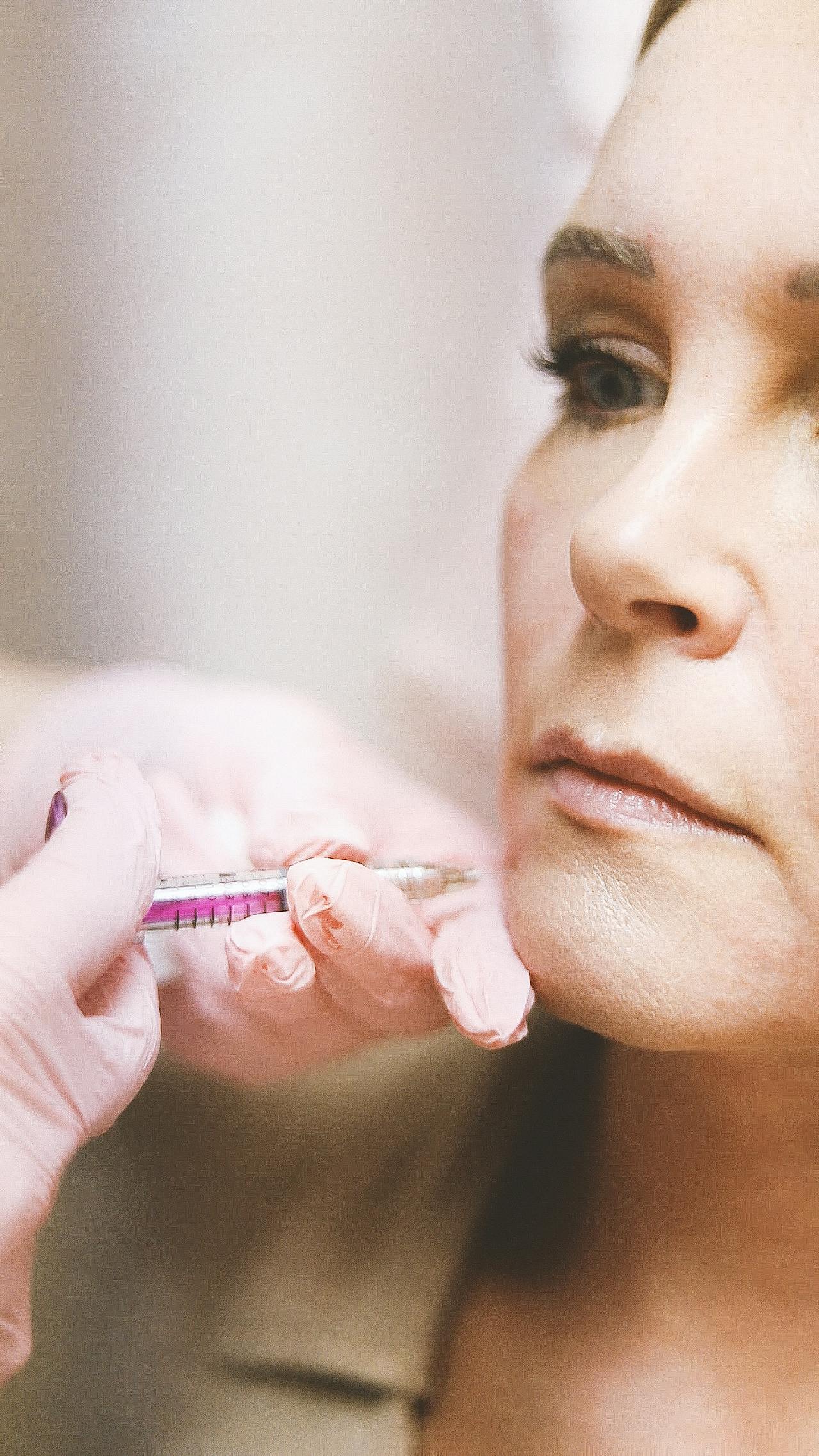
Sofwave vs Ultherapy: Skin-Tightening Cost, Downtime, and Results Compared
Two of the most-booked non-surgical skin tightening platforms in 2026. A side-by-side breakdown of mechanism, cost, comfort, downtime, and which device fits which face.