Botox vs Daxxify vs Dysport vs Xeomin: 2026 Compared
Botox costs $13 to $18 per unit, Daxxify $9 to $13, Dysport $7 to $10, Xeomin $11 to $15 in 2026, with Daxxify lasting 6 months vs Botox's 3 to 4.
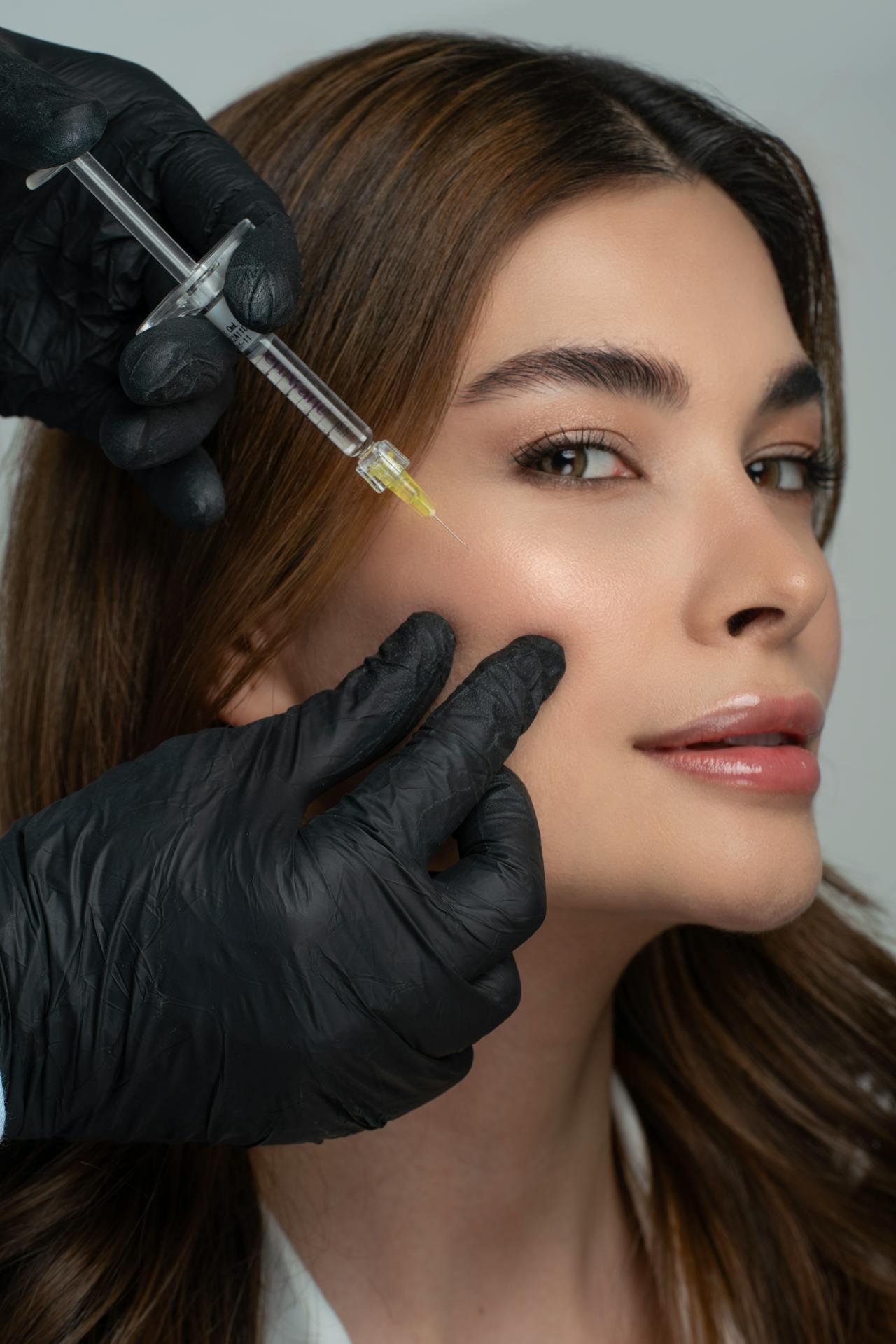
Botox, Daxxify, Dysport, or Xeomin: Which Neurotoxin in 2026?
Four FDA-approved neurotoxins dominate the US medspa injectable market in 2026: Botox Cosmetic (onabotulinumtoxinA), Daxxify (daxibotulinumtoxinA-lanm), Dysport (abobotulinumtoxinA), and Xeomin (incobotulinumtoxinA). Each is approved for glabellar lines and other cosmetic indications, but they differ in duration, onset, unit equivalence, and cost — and the right choice depends on your treatment history, anatomy, and goals more than on brand marketing.
The Zoca medspadirectory network of 2,100+ verified medical spas, dermatology offices, and plastic surgery centers across 80+ US metros reports the following 2026 per-unit pricing: Botox at $13 to $18, Daxxify at $9 to $13, Dysport at $7 to $10, and Xeomin at $11 to $15. Per-unit comparison is misleading because the four products require different unit counts for equivalent muscle relaxation — the right comparison is total cost per treatment area.
This MedSpa Directory guide compares the four head-to-head on FDA approval, unit equivalence, duration, cost per typical treatment, allergy and antibody risks, and best-fit candidate profiles. Numbers are pulled from Zoca's medspadirectory network and published peer-reviewed research and FDA labels.
Medically reviewed by Lena Ashford, Senior Aesthetics Editor, in consultation with Dr. Hana Lin, DACM, LAc — Doctor of Acupuncture and Chinese Medicine, NCCAOM-certified — 2026-05-18.
This article is for informational purposes only and is not medical advice. Consult a board-certified dermatologist, plastic surgeon, oculoplastic surgeon, or nurse practitioner with aesthetic medicine training before any injectable procedure.
Quick Answer: 4 Neurotoxins in 60 Seconds
Botox is the original benchmark — proven, predictable, lasting 3 to 4 months with $13 to $18 per unit. Daxxify is the longest-lasting option at 6 months and $9 to $13 per unit (but Daxxify requires more units). Dysport is the lowest per-unit price and onsets fastest (2 to 3 days) at $7 to $10 per unit (but requires 2.5 to 3x more units). Xeomin is the additive-free option at $11 to $15 per unit, with the lowest theoretical antibody risk for long-term patients. Total cost per glabellar treatment area: Botox $260 to $450, Daxxify $360 to $520, Dysport $245 to $385, Xeomin $275 to $475.
The Comparison Table
| Feature | Botox | Daxxify | Dysport | Xeomin |
|---|---|---|---|---|
| FDA approval year | 2002 cosmetic | 2022 | 2009 | 2011 |
| Manufacturer | Allergan/AbbVie | Revance | Galderma | Merz |
| Per-unit price (2026) | $13 to $18 | $9 to $13 | $7 to $10 | $11 to $15 |
| Onset | 3 to 7 days | 1 to 2 days | 2 to 3 days | 4 to 7 days |
| Duration | 3 to 4 months | 5 to 6 months | 3 to 4 months | 3 to 4 months |
| Glabellar (frown lines) units | 20 units | 40 units | 50 to 60 units | 20 units |
| Typical glabellar cost | $260 to $360 | $360 to $520 | $350 to $600 | $275 to $375 |
| Accessory proteins | Present | Present (peptide) | Present | None (purest) |
What Each Product Actually Is
Botox Cosmetic (onabotulinumtoxinA)
The original and most-studied neurotoxin. FDA-approved for cosmetic use in 2002 for glabellar lines and later expanded to crow's feet (2013) and forehead lines (2017). Manufactured by Allergan/AbbVie. Per-unit pricing in 2026 averages $13 to $18 in the US, with major metros running $16 to $22. A typical glabellar treatment uses 20 units, with crow's feet adding 6 to 12 units per side and forehead adding 8 to 16 units. Duration is 3 to 4 months for most patients.
The published evidence base is the deepest of the four — over 7,800 clinical trials and 100+ FDA-approved indications across cosmetic and medical use including chronic migraine, hyperhidrosis, cervical dystonia, strabismus, and overactive bladder. The FDA label for Botox Cosmetic details adverse events, contraindications, and approved dosing.
Daxxify (daxibotulinumtoxinA-lanm)
FDA-approved in 2022, manufactured by Revance Aesthetics. The newest entrant and the only one engineered with a stabilizing peptide rather than human serum albumin. The peptide is the source of Daxxify's longer duration claim — 6 months for most patients in pivotal trials, versus 3 to 4 months for the other three. Per-unit pricing in 2026 averages $9 to $13 in the US.
The unit count math is important. Daxxify requires roughly 2x the units of Botox for equivalent muscle relaxation. A 20-unit Botox glabellar treatment becomes a 40-unit Daxxify treatment. The per-unit savings narrow significantly once total unit count is factored in. The longer duration is the key value driver, not per-unit price.
Dysport (abobotulinumtoxinA)
FDA-approved in 2009 for cosmetic use, manufactured by Galderma. Has the fastest onset of the four — 2 to 3 days versus 3 to 7 for Botox — and the lowest per-unit price at $7 to $10 in 2026. Duration is comparable to Botox at 3 to 4 months. Dysport units are not equivalent to Botox units; the typical conversion is 2.5 to 3 Dysport units per 1 Botox unit. A 20-unit Botox glabellar treatment becomes a 50 to 60 unit Dysport treatment.
Dysport's per-unit pricing makes it appear cheaper, but the larger unit requirement means total cost is comparable to Botox. The faster onset is the key clinical advantage for clients with time-sensitive events.
Xeomin (incobotulinumtoxinA)
FDA-approved in 2011, manufactured by Merz Aesthetics. Often called the naked neurotoxin because it is purified to contain only the active botulinum toxin protein with no accessory proteins. The theoretical advantage is a lower risk of developing neutralizing antibodies over long-term use — a relevant consideration for patients who plan to inject neurotoxin for decades.
Unit equivalence with Botox is roughly 1:1. A 20-unit Botox glabellar becomes a 20-unit Xeomin glabellar. Per-unit pricing in 2026 averages $11 to $15 in the US. Onset is slightly slower than Botox at 4 to 7 days; duration is comparable at 3 to 4 months.
Cost-Per-Treatment Reality
The per-unit price headlines are misleading. Here is the realistic total cost for the most common treatment areas in 2026:
| Area | Botox Cost | Daxxify Cost | Dysport Cost | Xeomin Cost |
|---|---|---|---|---|
| Glabellar (11 lines) | $260 to $360 | $360 to $520 | $350 to $600 | $275 to $375 |
| Forehead lines | $170 to $290 | $280 to $420 | $225 to $400 | $165 to $300 |
| Crow's feet (both sides) | $195 to $330 | $315 to $470 | $245 to $440 | $220 to $350 |
| Full upper face | $625 to $980 | $955 to $1,410 | $820 to $1,440 | $660 to $1,025 |
| Masseter (jawline slim) | $520 to $850 | $835 to $1,250 | $655 to $1,150 | $540 to $920 |
| Annual maintenance (3 visits) | $1,875 to $2,940 | $1,910 to $2,820 | $2,460 to $4,320 | $1,980 to $3,075 |
Annual maintenance is the most useful comparison. Daxxify's longer duration cuts the visit count to 2 per year versus 3 for the other three — closing the per-treatment cost gap and making Daxxify roughly cost-equivalent to Botox over a 12-month horizon for many patients.
Which Product Fits Which Patient?
Pick Botox if:
Pick Daxxify if:
Pick Dysport if:
Pick Xeomin if:
For a deeper look at the broader injectable landscape, the Zoca RHA dynamic volume cheek filler guide and Sculptra vs Radiesse vs Restylane Lyft biostimulator comparison cover adjacent injectable services in 2026.
Risks and Side Effects Across All Four
All four neurotoxins share a similar safety profile when administered by board-certified physicians or licensed advanced practice providers. The FDA labels for each detail the same general adverse events.
Common (greater than 3 percent of patients):
Rare but serious (less than 1 percent):
The American Society of Plastic Surgeons (ASPS) reports that complication rates for cosmetic neurotoxin injection by board-certified providers are under 2 percent across all four products. Complications from unlicensed or under-credentialed providers run significantly higher. Always verify the injector's licensure and credentials.
Who Should Not Get Neurotoxin
The AAD and ASPS list these as absolute contraindications across all four products:
Relative contraindications include active autoimmune conditions, anticoagulant therapy, and pre-existing neuromuscular disorders. Always disclose all medications, conditions, and prior cosmetic procedures during the consultation.
How to Pick the Right Injector in 2026
The injector matters more than the product. A skilled board-certified dermatologist or plastic surgeon using Dysport will outperform an inexperienced injector using Botox almost every time.
The Zoca medspadirectory directory lists verified medical providers across the US filterable by city, treatment specialty, and physician credentials. Look for Allergan Black Diamond, Galderma Master Injector, Revance Master Injector, or Merz Aesthetics Expert designations as signals of high-volume product-specific training.
Closing: The Right Choice Is Patient-Specific
The four FDA-approved neurotoxins in 2026 are more similar than different. All four deliver safe, predictable muscle relaxation when administered by skilled board-certified providers. The differences in onset, duration, unit count, and price are real but most matter at the margins.
For new patients, Botox is the most-defensible first choice based on the deepest evidence base and most-predictable outcomes. For patients seeking the longest interval between injections, Daxxify's 6-month duration is the meaningful differentiator. For patients with antibody concerns or 10+ years of injection history, Xeomin's additive-free formulation is the cleanest option. For patients with a time-sensitive event, Dysport's 2 to 3 day onset is the practical advantage.
Total annual spend for a typical full-upper-face maintenance program ranges $1,875 to $4,320 in 2026 across the four products. The MedSpa Directory lists licensed providers across the US — verify board certification and clinic protocols before booking any neurotoxin appointment.
Discover More Top-Rated Services
Complement your medical spa treatments experience with these related services:
Frequently asked questions
How much do Botox, Daxxify, Dysport, and Xeomin cost in 2026?
Which neurotoxin lasts longest in 2026?
Is Botox safer than the alternatives?
How fast does each neurotoxin work?
Can I switch between neurotoxin brands?
Why does Daxxify last longer than Botox?
Can I develop resistance to Botox?
What is the difference between unit counts across brands?
Are there any major risks with cosmetic neurotoxin?
Where can I find a qualified injector?
How many units do I really need?
Need a provider in Nationwide?
Browse our directory and book directly with local businesses.
Browse the directoryRelated articles
Best Medical Aesthetics in Arizona — 2026 Guide
Everything you need to know about medical aesthetics in Arizona — from choosing the right service to finding providers locals actually recommend. Pricing, FAQs, and booking links included.
Best Medical Aesthetics in Atlanta, GA — 2026 Guide
Everything you need to know about medical aesthetics in Atlanta, GA — from choosing the right service to finding providers locals actually recommend. Pricing, FAQs, and booking links included.
Best Medical Aesthetics in Baltimore, MD — 2026 Guide
Everything you need to know about medical aesthetics in Baltimore, MD — from choosing the right service to finding providers locals actually recommend. Pricing, FAQs, and booking links included.