Sculptra vs Radiesse vs Restylane Lyft
$650 to $1,400 per vial of Sculptra, Radiesse, or Restylane Lyft in 2026. Compare biostimulators, longevity, downtime, and risks.
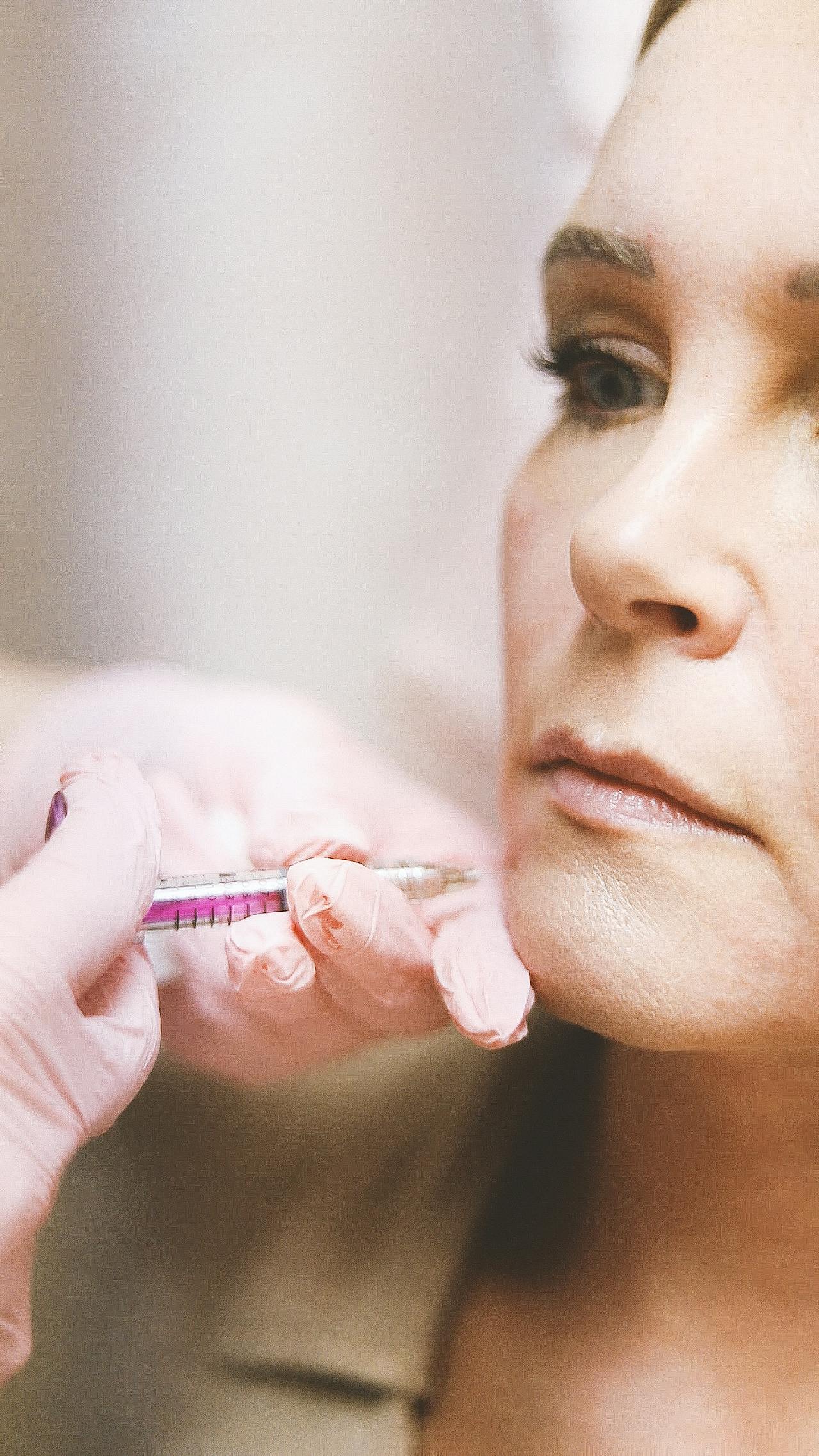
Sculptra vs Radiesse vs Restylane Lyft — which biostimulator should I choose?
The three injectables — Sculptra (poly-L-lactic acid), Radiesse (calcium hydroxylapatite), and Restylane Lyft (large-particle hyaluronic acid) — each restore midface and jawline volume, but they work through different mechanisms and produce different longevity, downtime, and reversal profiles. A vial costs $650 to $1,400 in 2026, with most patients needing 2 to 4 vials spread across multiple sessions. Sculptra builds collagen gradually over 8 to 12 weeks and lasts 2 to 3 years; Radiesse provides immediate volume plus collagen stimulation and lasts 12 to 18 months; Restylane Lyft is the only one that is reversible with hyaluronidase and lasts 12 to 18 months.
The biggest 2026 decision point is reversibility. Hyaluronic acid fillers like Restylane Lyft can be dissolved with hyaluronidase if the patient is unhappy or a complication occurs. Sculptra and Radiesse cannot be reversed — once injected, the body must metabolize the material over months to years. That difference shapes which product makes sense for first-time patients, off-face injectors, and high-risk anatomy.
This is YMYL medical content. Filler injections are FDA-regulated procedures with documented vascular complications, including filler-related blindness in extremely rare cases. The American Society of Plastic Surgeons and the American Academy of Dermatology both recommend choosing board-certified dermatologists, plastic surgeons, or facial plastic surgeons over non-physician injectors when possible.
Medically reviewed by Dr. Priya Ramanathan, MD, FAAD — Board-Certified Dermatologist (NPI verified) — May 2026.
At-a-glance comparison
| Factor | Sculptra | Radiesse | Restylane Lyft |
|---|---|---|---|
| Material | Poly-L-lactic acid (PLLA) | Calcium hydroxylapatite (CaHA) | Large-particle hyaluronic acid (HA) |
| Mechanism | Pure collagen stimulator | Immediate volume + collagen stimulation | Volume filler (some collagen support) |
| Cost per vial (2026) | $750 – $1,400 | $650 – $1,100 | $700 – $1,150 |
| Typical vials per area | 2 – 4 across 3 sessions | 1 – 2 per area | 1 – 2 per area |
| Visible results | 8 – 12 weeks | Immediate | Immediate |
| Longevity | 2 – 3 years | 12 – 18 months | 12 – 18 months |
| Reversible | No | No (limited dissolving) | Yes (hyaluronidase) |
| Best for | Diffuse midface or full-face rejuvenation | Cheekbones, jawline, hand volume | Cheekbones, midface, deep folds |
Major metros (Manhattan, LA, Beverly Hills, San Francisco, Miami) price 30 to 60% above the national midpoint. Board-certified plastic surgeons and dermatologists charge 25 to 50% more than non-physician injectors for the same vial.
How Sculptra works
Sculptra is poly-L-lactic acid — a slow-release biostimulator that the body resorbs while triggering native collagen synthesis. The injector mixes the powder with sterile water and lidocaine 24 to 72 hours before treatment, then delivers it in a diffuse pattern across the midface, temples, and jawline.
Best candidates: patients in their late 30s through 60s with diffuse midface volume loss, sunken temples, or jawline softening. Sculptra is poor for sharp angular contouring — Radiesse or HA filler does that better.
Documented risks per the FDA-approved Sculptra labeling include subcutaneous nodules in 5 to 10% of patients (often resolves with massage), injection-site bruising in 30 to 50%, and rare granuloma formation requiring intralesional steroid treatment.
How Radiesse works
Radiesse is calcium hydroxylapatite suspended in carboxymethylcellulose gel. Patients see immediate volume from the carrier gel, then ongoing collagen stimulation as the CaHA microspheres trigger fibroblast activity over 4 to 6 months.
Radiesse is FDA-cleared for cheekbones, jawline, marionette lines, nasolabial folds, and hand rejuvenation (the only filler with on-label hand approval per the FDA's medical device database).
How Restylane Lyft works
Restylane Lyft is a large-particle hyaluronic acid (HA) filler designed for deeper structural placement than fine HA products. It is FDA-approved for cheek augmentation, midface volume restoration, deep nasolabial folds, and (uniquely among HA fillers) hand rejuvenation.
Reversibility is the unique advantage. About 4 to 8% of HA filler patients in network practices request partial dissolving within the first 12 weeks for asymmetry, over-correction, or migration concerns. That option doesn't exist with Sculptra or Radiesse.
Risks and complications (YMYL)
All three injectables carry vascular complication risk, including the rare but devastating possibility of filler entering an artery and triggering tissue necrosis or, in extremely rare cases, vision loss. Per the American Academy of Dermatology and American Society of Plastic Surgeons joint guidance, filler-related blindness occurs in roughly 1 in 50,000 to 1 in 100,000 procedures across all filler types — rare, but catastrophic when it occurs.
This article is for informational purposes only and is not medical advice. Consult a board-certified dermatologist, plastic surgeon, or facial plastic surgeon before any biostimulator or filler procedure. Never assume an injectable is safe based on internet research alone.
Sculptra vs Radiesse vs Restylane Lyft — choosing decision tree
For adjacent procedures, compare with our Botox vs Dysport vs Daxxify guide, Morpheus8 skin tightening breakdown, and Emsculpt Neo cost guide — all frequently combined with biostimulators in 2026 facial-and-body protocols.
Cost by area and session count
| Treatment area | Sculptra total cost | Radiesse total cost | Restylane Lyft total cost |
|---|---|---|---|
| Cheeks (both sides) | $1,800 – $3,500 | $1,300 – $2,400 | $1,400 – $2,500 |
| Temples | $1,500 – $2,800 | $1,200 – $2,000 | $1,300 – $2,200 |
| Jawline contouring | $1,800 – $3,200 | $1,400 – $2,500 | $1,500 – $2,600 |
| Hand rejuvenation | Not on-label | $1,300 – $2,200 | $1,400 – $2,400 |
| Full-face rejuvenation | $3,500 – $6,500 | $3,000 – $5,500 | $3,200 – $5,800 |
The Zoca MedSpa Directory network of 950+ vetted medical aesthetics practices across 80 US cities reports biostimulator volume up 73% year over year — the fastest-growing injectable segment of 2026. Average ticket size rose from $1,950 in 2024 to $2,750 in 2026.
Aftercare for all three biostimulators
For combined microneedling-and-biostimulator protocols, see our microneedling first session guide and PRP vs PRF hair restoration dos and don'ts — patients often pair biostimulators with regenerative protocols to extend longevity.
How to choose a biostimulator injector
Bottom line on biostimulators in 2026
Sculptra, Radiesse, and Restylane Lyft each have a place in a 2026 facial-rejuvenation plan, but they are not interchangeable. Sculptra builds collagen gradually for 2 to 3 years of diffuse rejuvenation at $1,800 to $3,500 per area. Radiesse delivers immediate volume plus collagen building for 12 to 18 months at $1,300 to $2,500 per area. Restylane Lyft offers immediate, reversible volume for 12 to 18 months at $1,400 to $2,600 per area. Choose based on your priorities — reversibility, longevity, immediate result, or natural-looking diffuse change — and pick a board-certified injector with high case volume and on-site complication protocols.
For vetted MD- and DO-led medical aesthetics practices, search the MedSpa Directory by city and credential filter.
Related Wellness Directories
Great medical spa treatments is just the beginning. Explore these sister directories for more top-rated providers:
Frequently asked questions
How much do Sculptra, Radiesse, and Restylane Lyft cost in 2026?
Which biostimulator lasts the longest?
Are Sculptra and Radiesse reversible?
What are the risks of biostimulator injections?
Sculptra vs Radiesse — which is better for cheeks?
Is Restylane Lyft FDA-approved for hand rejuvenation?
Can I combine Sculptra with Botox or microneedling?
How do I find a board-certified biostimulator injector?
Is there downtime after biostimulator injections?
Can I dissolve a bad Sculptra result?
Is biostimulator treatment safe during pregnancy?
Don't wait
Ready to book?
The best times book out days ahead. Reserve yours in under a minute and stop checking back for an opening.
Save my slotBooking with THRYV Aesthetics & Medical Weight Loss
Related articles
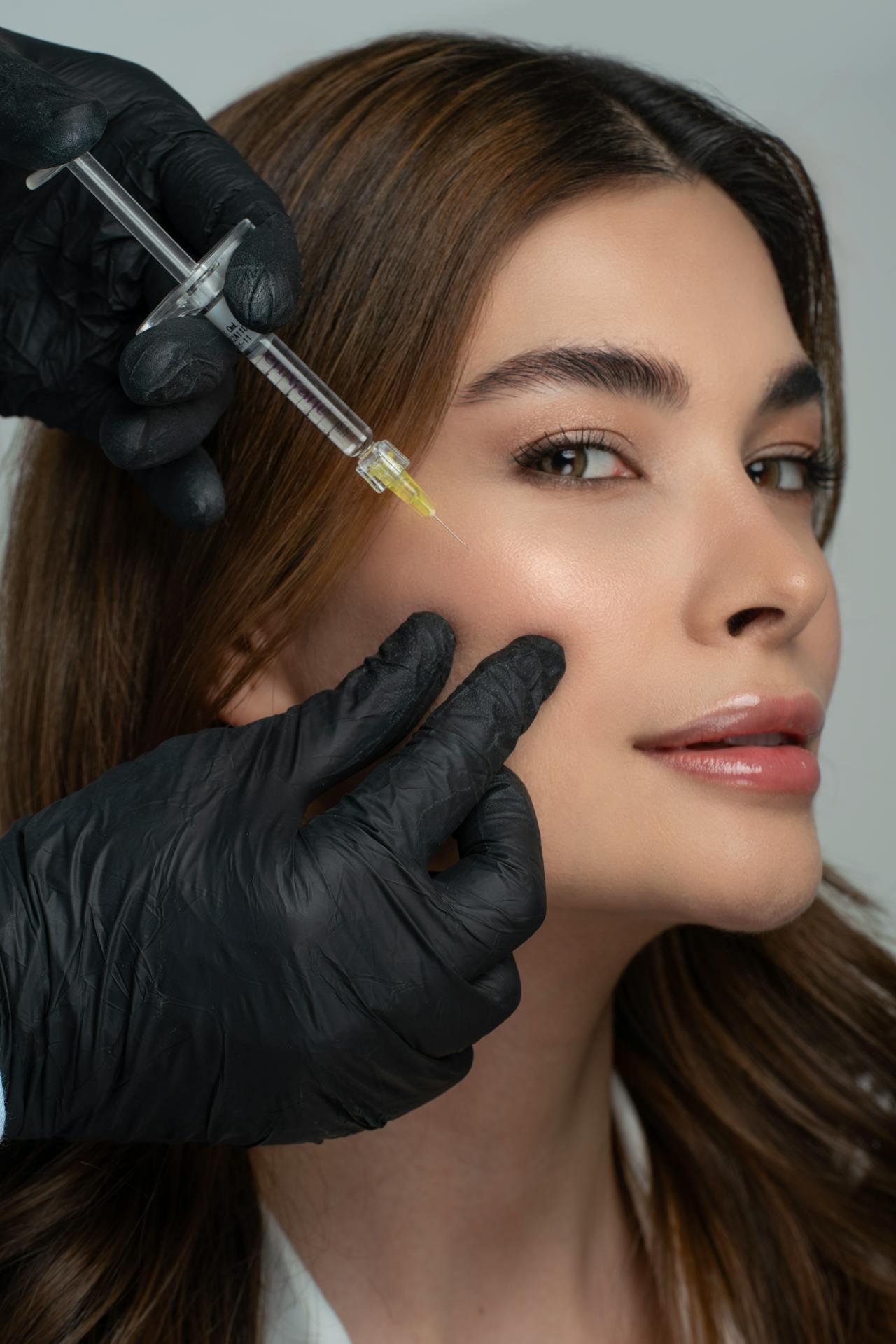
Sculptra vs Radiesse vs Bellafill in Baltimore 2026
Sculptra and Radiesse range from $850 to $1,800 per vial. Compare top biostimulatory fillers and find your best match in Baltimore.
Dermal Filler Brands Compared: Longevity and Recovery
How long each major filler brand actually lasts, how much downtime to plan for, and why the brand on the syringe matters less than the product line inside it.
Lip Filler Dos Don'ts: What to Expect
ASPS reports 2.5 million HA filler procedures in 2025, and lips lead the category. Here are the prep and aftercare rules that separate camera-ready results from days of bruising.
Chin Filler in Denver: What to Expect
Chin filler is a structural treatment, not a wrinkle treatment. Here is what the clinical evidence shows about how long it lasts, what a good consultation looks like, and how to vet a Denver injector.
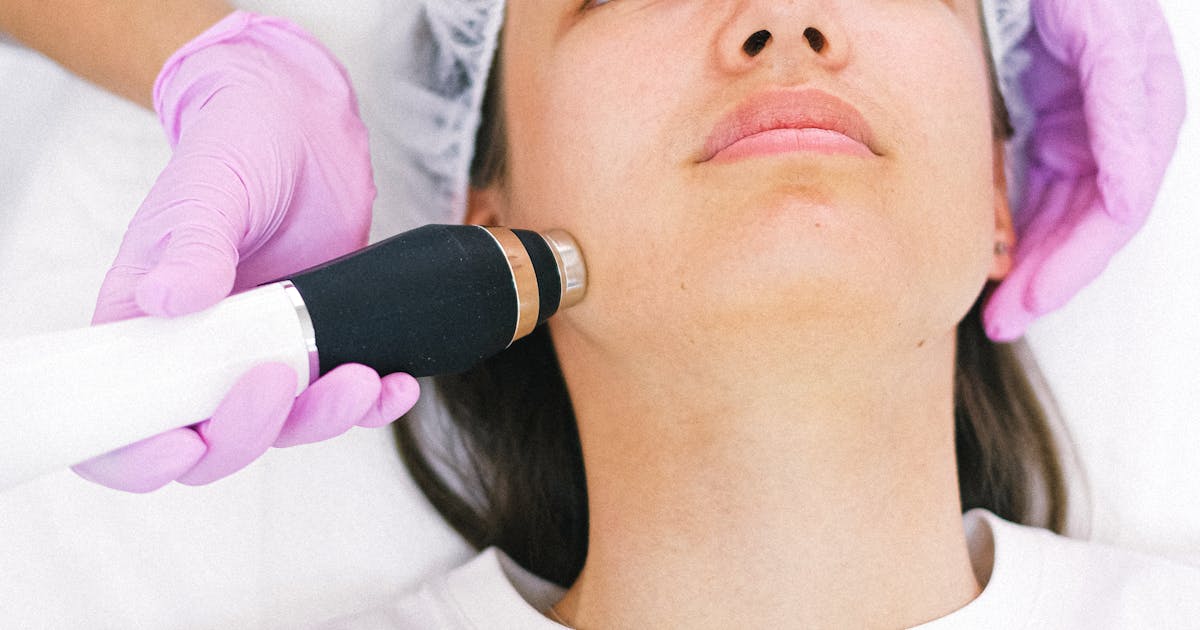
Sculptra vs Radiesse: Collagen Stimulator (Board-Certified Comparison)
Sculptra (poly-L-lactic acid) and Radiesse (calcium hydroxylapatite) are both biostimulators — they trigger collagen rather than just adding volume. 2026 cost, longevity, and best-fit anatomy comparison.
5 Things to Know Before RHA Dynamic Volume Cheek Filler
FDA-cleared in 2026, RHA Dynamic Volume averages $850–$1,400 per syringe for cheek augmentation. See costs, safety, recovery, and how it compares to Voluma.
GLP-1 Patient Guide: Combining Tirzepatide With Botox, Microneedling, and Skin Rejuvenation
61 percent of new GLP-1 patients are entirely new to medical aesthetics — and 13 percent return within 12 months for Botox, RF microneedling, or skin treatments. Here is the patient's guide to combining GLP-1 weight loss with aesthetic care safely in 2026.
Botox vs Daxxify vs Dysport vs Xeomin Cost
In 2026, Botox costs $13-$18/unit, Daxxify $9-$13, Dysport $7-$10, and Xeomin $11-$15. Compare options and find the best fit for you.