Dermal Filler Safety and How to Vet an Injector
Filler safety depends on the injector, not the brand. How provider credentials, reversible products and on-site hyaluronidase change your risk.
The short answer
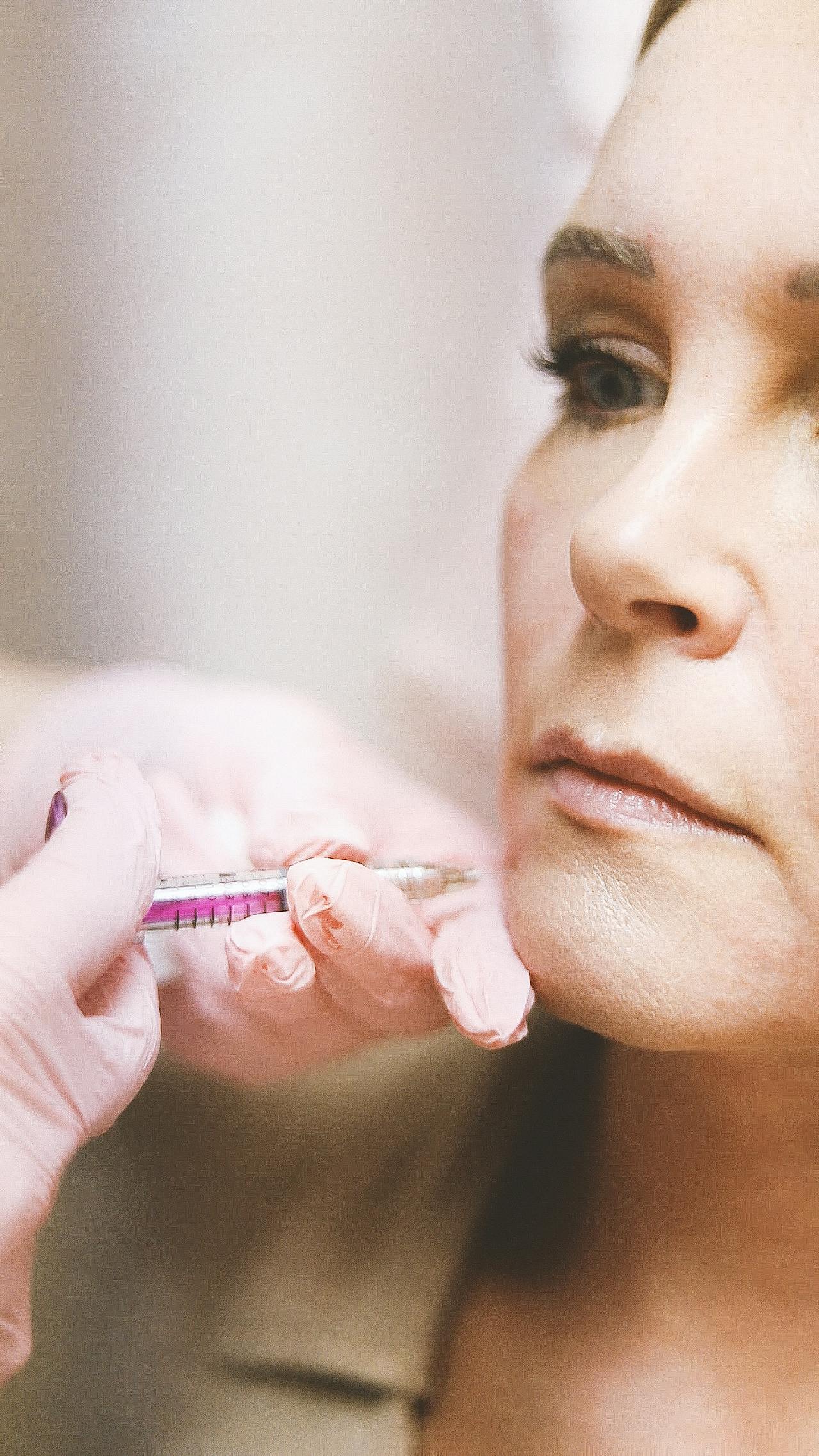
Dermal fillers are prescription-only medical devices, and their safety record tracks the person holding the syringe far more closely than the brand printed on the box. The safest choice is a licensed medical professional who injects faces every week, stocks hyaluronidase in the treatment room, and can describe the arteries running under the area you want treated.
Know the types
Two separate things vary between clinics: who is legally allowed to inject where you live, and what is actually being injected.
On the provider side, core-trained physicians — plastic surgeons, dermatologists, oculoplastic surgeons and facial plastic surgeons — complete residency training that includes facial vascular anatomy. Nurse practitioners, physician assistants and registered nurses inject under a supervising physician, and the supervision rules differ sharply by state. In several states the supervising physician is never required to be on the premises. That is a fair arrangement when the injector is genuinely experienced, and a poor one when the medical director is a name on a wall. Ask who that director is and whether they are reachable during your appointment.
On the product side, hyaluronic acid gels — Juvederm, Restylane, RHA, Belotero — are the reversible category. Hyaluronidase, an enzyme, dissolves them within hours if something goes wrong, which is the single most useful safety feature in aesthetics. Calcium hydroxylapatite (Radiesse) and poly-L-lactic acid (Sculptra) work by stimulating collagen and cannot be dissolved. Polymethylmethacrylate (Bellafill) is permanent. A first-time patient, or anyone being treated in a high-risk zone, is on firmer ground with a reversible gel.
The third variable is provenance. Product bought through unauthorised online channels or carried back from abroad is a documented problem, and it clusters around home-party injectables and pop-up events. Ask to see the sealed syringe and the lot sticker before anything is drawn up.
Questions to ask before you book
Ask what happens on the worst day, not the average one. A prepared clinic answers these without pausing: How many vials of hyaluronidase are on site right now? What is your written protocol for a suspected vascular occlusion? Which ophthalmologist do you call if a patient reports a change in vision? Do you use a cannula or a needle in this area, and why?
Then ask about volume in your specific area. An injector who does two hundred lip treatments a year and four tear-trough treatments a year is not equally qualified for both. Photographs of their own patients, shot in the same lighting at the same angles, tell you more than any certificate on the wall.
Benefits and honest limits
What genuine credentialing buys you is recognition speed. Vascular occlusion — filler entering or compressing an artery — is uncommon, but when it happens the useful treatment window is measured in hours, and the difference between a scar and a full recovery is usually how fast the injector recognised it and flooded the area with hyaluronidase. Experienced injectors also work at lower pressure, aspirate or switch to blunt cannulas in higher-risk zones, and place smaller boluses.
The honest limit: credentials do not make complications impossible. Occlusions have happened in the hands of very senior injectors, because facial vascular anatomy varies between people and cannot be seen from the surface. Training changes the odds and transforms the response. It does not change the anatomy. And no qualification makes a permanent filler reversible, which is why permanent products deserve far more caution than the marketing around them suggests.
Aftercare
The first day: apply ice in ten-minute intervals rather than continuously, keep your head elevated, skip alcohol, and leave makeup off the injection points for around twelve hours.
The first 48 hours: no strenuous exercise, no facial massage or facials over the treated area, and no sauna, steam room or hot yoga. Heat and increased blood flow both worsen swelling.
The first two weeks: postpone dental cleanings and any energy-based facial treatment such as laser or radiofrequency. Dental work causes transient bacteraemia, and both bacteria and heat have been linked to delayed inflammatory reactions around filler.
The timeline: swelling generally peaks on day two and settles substantially by day five. Bruising runs seven to ten days. The gel integrates and softens across two to four weeks, which is why judging symmetry on day three is a reliable way to talk yourself into an unnecessary correction.
Red flags need same-hour contact, not a next-morning email: skin that blanches white during or after injection, patches that turn dusky, mottled or purple-grey, pain out of proportion to what you were told to expect, or any change in vision, one-sided headache or nausea. Vision symptoms are an emergency.
Frequently asked questions
Can an esthetician legally inject dermal filler?
Why should a clinic keep hyaluronidase on site?
Is under-eye filler safe?
How do I verify an injector's credentials?
Does a cannula make filler safer than a needle?
Need a provider in your area?
Browse our directory and book directly with local businesses.
Browse the directoryRelated articles
5 Things to Know Before Tear Trough Filler Safety
No HA filler is FDA-approved for tear trough. Use our 12-question checklist for safe injections. Compare experts in Denver.
How Much Does FDA Filler Safety Update Cost?
What changed in 2026 FDA filler guidance — counterfeit Botox seizures, hyaluron pen warnings, injector credential tiers, and the six-step injector vetting protocol.
5 Things to Know Before Tear Trough Filler
Tear trough filler runs $684-$1,500 per syringe and lasts 9-18 months. Only one HA filler is FDA-approved on-label for under-eye. Here is the safety, cost, and provider checklist.