Thermage vs Ultherapy: Skin Tightening in 2026
Thermage costs $2,000–$5,500 and Ultherapy $1,800–$4,500. Both tighten skin without surgery — but they work differently. Compare results, risks, and downtime before booking.
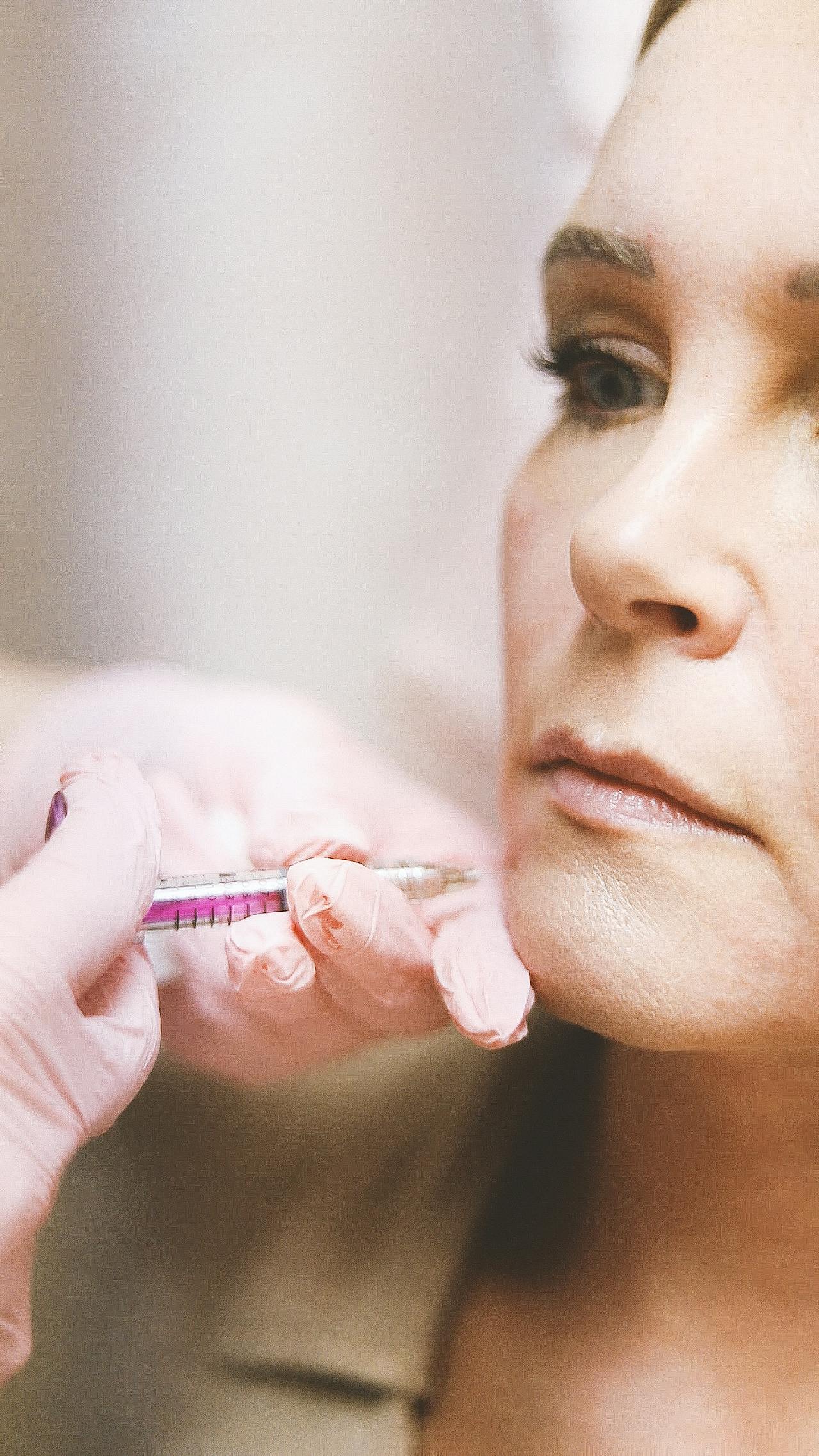
Thermage vs Ultherapy — which non-surgical lift should you choose in 2026?
Thermage and Ultherapy are the two best-established non-surgical skin-tightening treatments in US medical aesthetics. Both stimulate collagen and elastin remodeling with controlled heat; the mechanism, depth, and price are different. Thermage uses monopolar radiofrequency to heat the dermis across the full treatment area; Ultherapy uses microfocused ultrasound to deliver heat at three precise depths, including the SMAS layer that surgical lifts also target.
Thermage runs $2,000 to $5,500 for face and neck; Ultherapy $1,800 to $4,500. Results compound for six months and hold for one to two years in 70 to 80% of patients per ASDS data. Both are single-session, no real downtime, with treatment-specific risk profiles that require board-certified physician oversight.
Medically reviewed by Dr. Renata Kessler, MD, FAAD, FASDS — May 2026.
Zoca's MedSpaDirectory tracks 1,800+ medical spas across 80 US cities. Combined Thermage and Ultherapy bookings climbed 19% year-over-year from 2024 to 2026, reflecting two shifts: more clients seeking pre-injectable maintenance, and growing dermatologist endorsement of staged combination therapy.
This article is informational and is not medical advice. Consult a board-certified dermatologist, plastic surgeon, or facial aesthetic physician before scheduling either procedure.
Thermage vs Ultherapy at a glance
The table maps the practical differences. Use it to triage before consultation.
| Feature | Thermage FLX | Ultherapy |
|---|---|---|
| Energy | Monopolar radiofrequency | Microfocused ultrasound |
| Depth | 2.4 – 4.3 mm dermal | 1.5, 3.0, 4.5 mm (incl. SMAS) |
| Coverage | Broad, even tightening | Focal, targeted lifting |
| Cost (face + neck) | $2,000 – $5,500 | $1,800 – $4,500 |
| Session length | 45 – 90 min | 60 – 90 min |
| Pain (1 – 10) | 4 – 6 | 6 – 8 |
| Downtime | None | None |
| Peak result | 3 – 6 months | 3 – 6 months |
| Result duration | 12 – 24 months | 12 – 24 months |
| Best for | Surface laxity, crepiness | Jowls, mid-face, neck lift |
| FDA approval | 2002 (face); FLX in 2017 | 2009 (face), 2014 (décolletage) |
What is Thermage and how does it work?
The one-sentence answer: Thermage uses monopolar radiofrequency to deliver heat across the dermis in a uniform pattern, denaturing existing collagen and triggering a six-month remodeling cycle that tightens skin. The FLX upgrade adds a vibration system, longer pulses, and a larger treatment tip — covering the face in 45 to 90 minutes.
Thermage was FDA-cleared in 2002 and is one of the longest-standing skin-tightening devices in US dermatology. About 2.5 million Thermage treatments have been performed globally as of 2026 per Solta Medical reporting. The current FLX generation produces measurably better patient comfort scores than legacy units while achieving comparable tightening.
Best uses for Thermage
What is Ultherapy and how does it work?
The one-sentence answer: Ultherapy delivers focused ultrasound energy to three specific depths — 1.5 mm, 3.0 mm, and 4.5 mm — with the deepest pass reaching the SMAS layer that surgical face lifts also work on. Real-time ultrasound imaging lets the board-certified physician visualize tissue layers and target only the right ones.
Ultherapy received FDA clearance in 2009 for non-surgical brow lift, 2012 for submentum and neck, and 2014 for décolletage lines. The 2025 ASPS procedural census reported Ultherapy as the most-booked single non-surgical lift procedure in the US for the fifth year running.
Best uses for Ultherapy
Detailed comparison: results, evidence, and timing
Onset and durability
Both treatments produce a small, immediate tightening from heat-driven collagen contraction. The bigger result comes from neocollagenesis, which peaks at 3 to 6 months. ASDS reviews suggest:
Maintenance every 12 to 18 months is the most common protocol; annual touch-up is sometimes recommended for patients in their 50s and 60s who want to stay ahead of progressive laxity.
Side-by-side scoring on common goals
| Goal | Thermage | Ultherapy |
|---|---|---|
| Surface texture, crepiness | Excellent | Moderate |
| Jowl reduction | Moderate | Excellent |
| Brow lift | Moderate | Excellent |
| Neck tightening | Moderate | Excellent |
| Décolletage | Excellent | Excellent (cleared) |
| Body (abdomen, arms) | Excellent | Off-label |
| Fitzpatrick V – VI safety | Excellent | Excellent |
Risk, recovery, and what can go wrong
Both treatments are no-downtime but not no-risk. The American Academy of Dermatology summarizes adverse events as:
ASDS notes that board-certified physician oversight measurably reduces all of these risks; the same procedure delivered by non-physician operators carries a higher complication rate. Always confirm credentials.
Contraindications
Skip or defer either procedure if you have:
Pricing breakdown and what changes the bill
Pricing varies sharply by market, zone count, and provider tier. The table maps 2026 averages.
| Treatment / Zone | Price Range | Sessions | Best For |
|---|---|---|---|
| Thermage face only | $1,800 – $3,800 | 1 | Surface tightening |
| Thermage face + neck | $2,200 – $5,500 | 1 | Standard combo |
| Thermage eyes only | $800 – $1,500 | 1 | Crepe + brow |
| Thermage body (abdomen) | $1,500 – $3,500 | 1 | Post-pregnancy, post-weight-loss |
| Ultherapy full face + neck | $2,200 – $4,500 | 1 | Standard combo |
| Ultherapy brow lift | $700 – $1,200 | 1 | Targeted brow descent |
| Ultherapy submentum only | $800 – $1,800 | 1 | Double-chin laxity |
| Ultherapy décolletage | $900 – $2,000 | 1 | Chest lines |
| Combined Thermage + Ultherapy | $4,000 – $8,500 | 2 (staged) | Advanced laxity |
Major-market premiums of 30 to 60% are typical in Manhattan, Beverly Hills, Miami, and San Francisco. Mid-size markets (Phoenix, Charlotte, Denver) sit closer to national medians. Boutique medical spas can charge above the high end of the range.
Where to look for savings — and where not to
Loyalty packages, refer-a-friend credits, and bundled treatment-day discounts can save 10 to 25%. Avoid devices used outside physician supervision; the price drops 25 to 50% but the risk profile shifts. A 2024 ASPS review noted that complication rates from off-label or non-physician-operated tightening devices rose meaningfully in 2022 and 2023. Choose board-certified providers.
Combining Thermage and Ultherapy
About 18% of Zoca network medical spa patients now stage both treatments within a single year. The rationale: Thermage delivers broad surface tightening while Ultherapy adds focal SMAS lift. Common protocols:
Combined treatment runs $4,000 to $8,500. The single biggest predictor of patient satisfaction is realistic expectation-setting at consultation. Patients with severe laxity should be referred for surgical consultation — both procedures have ceilings, and a 12% referral rate to plastic surgery is a green-flag protective practice in medical aesthetics.
How to choose: decision tree
Finding a board-certified Thermage or Ultherapy provider
Three credential checks:
Ask:
The American Academy of Dermatology and American Society of Plastic Surgeons find-a-physician tools are the most reliable starting points. Zoca's MedSpaDirectory verifies state medical and esthetics licensure on every listed provider.
Is Thermage or Ultherapy right for you?
Both procedures are right for the right patient: mild to moderate laxity, healthy underlying skin quality, realistic expectations, and a willingness to commit to a 6-month patience window for full result and a 12- to 24-month maintenance cycle. Neither procedure replaces a surgical face lift; both substantially delay that decision for many patients.
If you are unsure between the two, book a consultation with a board-certified dermatologist or plastic surgeon who offers both — not one or the other. The most useful conversation in 2026 medical aesthetics is the one that ends with a treatment plan, not a single device recommendation. Pair the work with bond-protective skincare, regular SPF discipline, and a board-certified physician relationship you can keep for a decade.
This article is for informational purposes only and is not medical advice. Consult a board-certified dermatologist or plastic surgeon before any procedure.
You Might Also Be Interested In
Your wellness journey does not stop at medical spa treatments. Check out these related guides:
Sources & references
- FDA — Thermage Approval — U.S. Food and Drug Administration
- American Society for Dermatologic Surgery — Non-Invasive Skin Tightening — American Society for Dermatologic Surgery
- American Academy of Dermatology — Skin Tightening — American Academy of Dermatology
- American Society of Plastic Surgeons — Non-Surgical Procedures — American Society of Plastic Surgeons
Frequently asked questions
How much does Thermage cost in 2026?
How much does Ultherapy cost in 2026?
Which works better for jowls and jawline laxity?
How long do Thermage and Ultherapy results last?
Is Thermage or Ultherapy more painful?
What is the downtime for Thermage and Ultherapy?
Who is a good candidate for Thermage or Ultherapy?
What are the risks of Thermage and Ultherapy?
Can Thermage and Ultherapy be combined?
How do I find a board-certified provider?
Need a provider in Nationwide?
Browse our directory and book directly with local businesses.
Browse the directoryRelated articles
Best Medical Aesthetics in Arizona — 2026 Guide
Everything you need to know about medical aesthetics in Arizona — from choosing the right service to finding providers locals actually recommend. Pricing, FAQs, and booking links included.
Best Medical Aesthetics in Atlanta, GA — 2026 Guide
Everything you need to know about medical aesthetics in Atlanta, GA — from choosing the right service to finding providers locals actually recommend. Pricing, FAQs, and booking links included.
Best Medical Aesthetics in Baltimore, MD — 2026 Guide
Everything you need to know about medical aesthetics in Baltimore, MD — from choosing the right service to finding providers locals actually recommend. Pricing, FAQs, and booking links included.