Thermage vs. Ultherapy: Key Differences in 2026
Thermage and Ultherapy are leading non-surgical treatments for skin tightening. This article explores their differences in cost, procedure, and longevity.
Understanding Thermage and Ultherapy is essential for anyone considering non-surgical skin tightening. These procedures are often likened to surgical facelifts without the surgery itself, but their costs, procedures, and outcomes differ significantly.
Fast facts — Thermage vs. Ultherapy at a glance (2026)
The short answer
Thermage is typically more affordable, with costs starting at $1,000 per session, while Ultherapy often starts at $1,500. Thermage results can last around 1–2 years, whereas Ultherapy results may last up to 2–3 years.
While both provide skin rejuvenation, their distinct approaches mean the choice largely depends on individual goals and skin type. Explore more about both procedures in our comprehensive guides.
What each one actually is
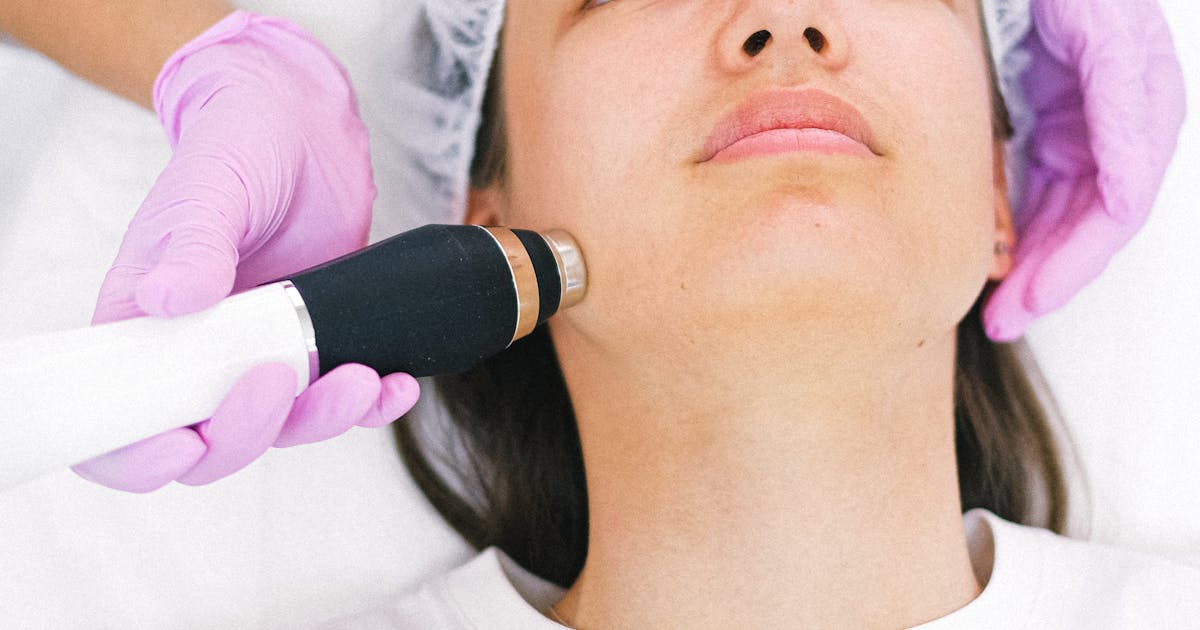
Thermage uses radiofrequency to heat the skin's deeper layers, stimulating collagen production to tighten existing structures. It’s often favored by individuals seeking moderate tightening without downtime.
Ultherapy, on the other hand, employs ultrasound technology to stimulate collagen production at different depths, making it popular amongst those targeting sagging skin in areas like the brow and neck.
Side-by-side comparison
Both Thermage and Ultherapy offer unique benefits but differ in terms of cost, treatment duration, and results longevity.
| Feature | Thermage | Ultherapy |
|---|---|---|
| Cost | $1,000–$3,000 | $1,500–$4,500 |
| Session duration | 1–2 hours | 30–90 minutes |
| Longevity | 1–2 years | 2–3 years |
| Maintenance | Annual | Every 1.5–2 years |
| Best for | All-over tightening | Specific areas like brow, neck |
Price difference
According to data from the American Society for Dermatologic Surgery, Ultherapy averages around $2,400 nationally, while Thermage tends toward $1,800. Factors affecting pricing include the clinic's location, the provider’s experience, and the treated area’s size.
How long each lasts
Thermage results typically persist for 1–2 years. Maintenance sessions are recommended annually, averaging $800–$1,200 depending on the area. Ultherapy benefits can last longer, with many clients seeing results for 2–3 years; maintenance is advisable every 1.5–2 years, with costs ranging from $1,000–$2,000 depending on location.
Which should you choose
Choosing between Thermage and Ultherapy largely depends on personal skin concerns. For those seeking non-invasive skin tightening, Thermage offers a compelling option, especially for mild to moderate laxity.
If prevention and treatment of sagging in targeted areas are more aligned with your goals, Ultherapy may be the preferred choice. Price can be a deciding factor; if budget is tight, Thermage might suit better due to its lower initial and maintenance costs.
Next: Review detailed treatment guides.
Factors Influencing Price Beyond Basic Costs
Several elements can lead to price variations for Thermage and Ultherapy sessions. Geography plays a significant role; clinics in metropolitan areas often charge higher due to increased demand and operating costs. The experience and reputation of the practitioner significantly impact pricing; top-tier dermatologists or plastic surgeons may charge premium rates to reflect their expertise. Additionally, the complexity and size of the treatment area can influence costs. Smaller, localized areas might incur lower costs than larger or more complex treatment zones like the face and neck. It’s critical to ask if the quoted price includes all necessary follow-up appointments and any potential touch-ups. Discounts might be available for package deals, such as combining Thermage and Ultherapy sessions.
Quality Indicators for Treatment Providers
When selecting a clinic or provider, look for certifications like board certification in dermatology or plastic surgery, which indicate a higher standard of training and expertise. Evaluate customer testimonials and before-and-after photos for successful outcomes. Research their equipment; newer models can improve results and comfort as technological advancements embed into newer devices. Verify if the provider is part of recognized networks like the Zoca network, which often have established standards of care. During consultation, observe if the practitioner offers a detailed assessment of your skin and discusses realistic outcomes tailored to your needs. An open dialogue about potential risks and expectations is a quality indicator.
Consultation Questions to Ask
Before your initial consultation, prepare questions to ensure clarity and realistic expectations. Ask what kind of results you can specifically expect given your skin type and condition, and how that compares to average expectations. Inquire about the precise duration of effect for your chosen treatment areas and whether you would be a candidate for a combination of both treatments. Discuss any potential side effects and the likelihood of their occurrence based on your medical history. Ensure you understand the full scope of aftercare, including any recommended skincare products and routines. Confirm the complete pricing breakdown, including if touch-ups or potential corrective sessions are extra. Lastly, ask about the provider’s personal experience and success rates with both procedures.
Aftercare Considerations and Costs
Post-procedure care is crucial for maximizing results and minimizing discomfort. Both procedures benefit from applying soothing creams or gels recommended by your provider to manage initial redness or swelling. Sunscreen usage is vital as treated skin may be more sensitive to UV damage. Anti-inflammatory medications are sometimes suggested to alleviate minor discomfort. While typical aftercare products cost between $50-$150, certain specialized products may cost more. Skipping aftercare or using inappropriate products may prematurely alter the treatment results, potentially incurring additional costs for rectifications. Discuss any long-term skincare adjustments that might coincide with maintenance visits. Ensure you’re aware of how to recognize and manage any adverse effects that could require medical attention. Appropriate aftercare investment supports the longevity of the treatment.
Cost-Effectiveness and Value Over Time
While initial costs for Thermage and Ultherapy can seem high, their value often plays out over time when compared to alternative treatments. Consider the full scope of maintenance costs and longevity when deciding on a procedure. For example, while Ultherapy may have a higher upfront fee, fewer annual sessions could result in lower long-term expenses. Additionally, some providers offer package deals or discounts for multiple sessions or combining areas, which can effectively reduce the per-session cost. Evaluating these opportunities may present a cost-saving solution if you’re on a tight budget.
Assessing Treatment Suitability Based on Skin Type
Your skin type significantly impacts the outcome and suitability of Thermage and Ultherapy. Therapies reliant on heat, such as Thermage, are generally suitable for individuals seeking overall tightening, regardless of skin type. However, Ultherapy, which uses ultrasound technology, can be more beneficial for those who have loose skin in specific, delicate areas with minimal fat, such as near the eyes and neck. A professional assessment from a certified practitioner will help confirm the best fit for your specific skin condition and treatment goals. Conduct thorough research into the technology and consult with a dermatologist, especially if you have sensitive or highly reactive skin.
Prior Experience and Patient Reviews
When selecting a provider, consider their experience and patient feedback specifically with Thermage or Ultherapy. This insight often indicates the level of expertise and the quality of results you might expect. Top qualities of reliable providers include board certification, ongoing training, and a comprehensive portfolio of before-and-after images. Equip yourself with patient testimonials and reviews, especially ones that detail experiences similar to your skin issues or aesthetic goals. Balancing these factors can maximize your treatment’s success and satisfaction, and potentially enhance overall safety.
Timing Your Treatment for Maximum Benefit
The timing of your procedure can heavily influence the results. For instance, scheduling your treatment in colder months may help you avoid excessive sun exposure, which can affect healing and results. Additionally, plan your sessions well ahead of any major social events, as both procedures may take several weeks to fully reveal their effects. Factoring in this recovery and effectiveness timeline ensures optimal results. A good rule of thumb is to have your treatment at least 3-6 months before an important event, allowing ample time for the maximum benefits to manifest.
FAQs
Results from Thermage can be seen immediately post-procedure, with continued improvement as collagen is remodeled over two to six months.
Neither Thermage nor Ultherapy requires significant downtime. Some redness and swelling may occur but generally subside within a few days.
Yes, combining therapies can maximize skin tightening and rejuvenation, but a professional consultation is advised to plan an appropriate regimen.
Common side effects include redness, swelling, and tenderness at the treatment site, generally resolving in a few days.
Verify professional credentials like FDA approval and check listings from associations such as the AAD for certified practitioners.
For more personalized options, check our providers network.
Sources & references
Frequently asked questions
What is the average cost of Thermage and Ultherapy?
How long does each procedure take?
How long do the results last for Thermage and Ultherapy?
What type of aftercare is needed following these treatments?
How do I choose between Thermage and Ultherapy?
Are there any hidden costs associated with these treatments?
Act now
Lock in your appointment
Waiting usually means taking whatever time is left. Book today and get the stylist and the slot you actually want.
Book nowBooking with THRYV Aesthetics & Medical Weight Loss
Related articles
2026 Skintyte vs Ultherapy: Key Differences Explained
Skintyte and Ultherapy are popular skin-tightening treatments, differing in method, duration, and cost. We break down their unique benefits.
Pelleve vs Ultherapy: Which is Right for You in 2026?
Pelleve and Ultherapy are both FDA-approved skin tightening treatments. Explore key differences, costs, and longevity to decide which suits your needs best.
Ultherapy vs Thermage: Cost Insights
Discover prices for Ultherapy and Thermage ranging from $1,500 to $4,000. Understand your options for skin tightening treatments today.
Ultherapy vs Thermage: Which Treatment Is Best ?
Ultherapy and Thermage are popular options for skin tightening and lifting without surgery. This article compares their effectiveness, cost, procedure details, and what to expect to help you choose the best option for 2026.
Thermage vs Ulthera: How the Two Lifts Differ
Thermage uses radiofrequency to tighten a broad volume of skin; Ulthera uses focused ultrasound to reach the deeper fibromuscular layer and lift. A practical comparison of mechanism, comfort and candidacy.
Thermage vs Ultherapy: Skin Tightening (Board-Certified Comparison)
Thermage (monopolar RF) and Ultherapy (microfocused ultrasound) target overlapping skin-tightening goals at different depths. Cost $2,485–$5,485 per treatment; longevity 12–24 months.
Ultherapy vs Thermage in City/State: Costs & Details
Ultherapy costs $1,800–$4,500 and Thermage $2,000–$5,500, both effective for skin tightening. Learn more to choose the right treatment for you.
2026 Soft Wave vs Ultherapy: Key Differences Explored
Soft Wave and Ultherapy are popular non-invasive treatments with different benefits and costs. Compare their longevity, pricing, and suitability to choose what's best for your needs.